

BLOGS
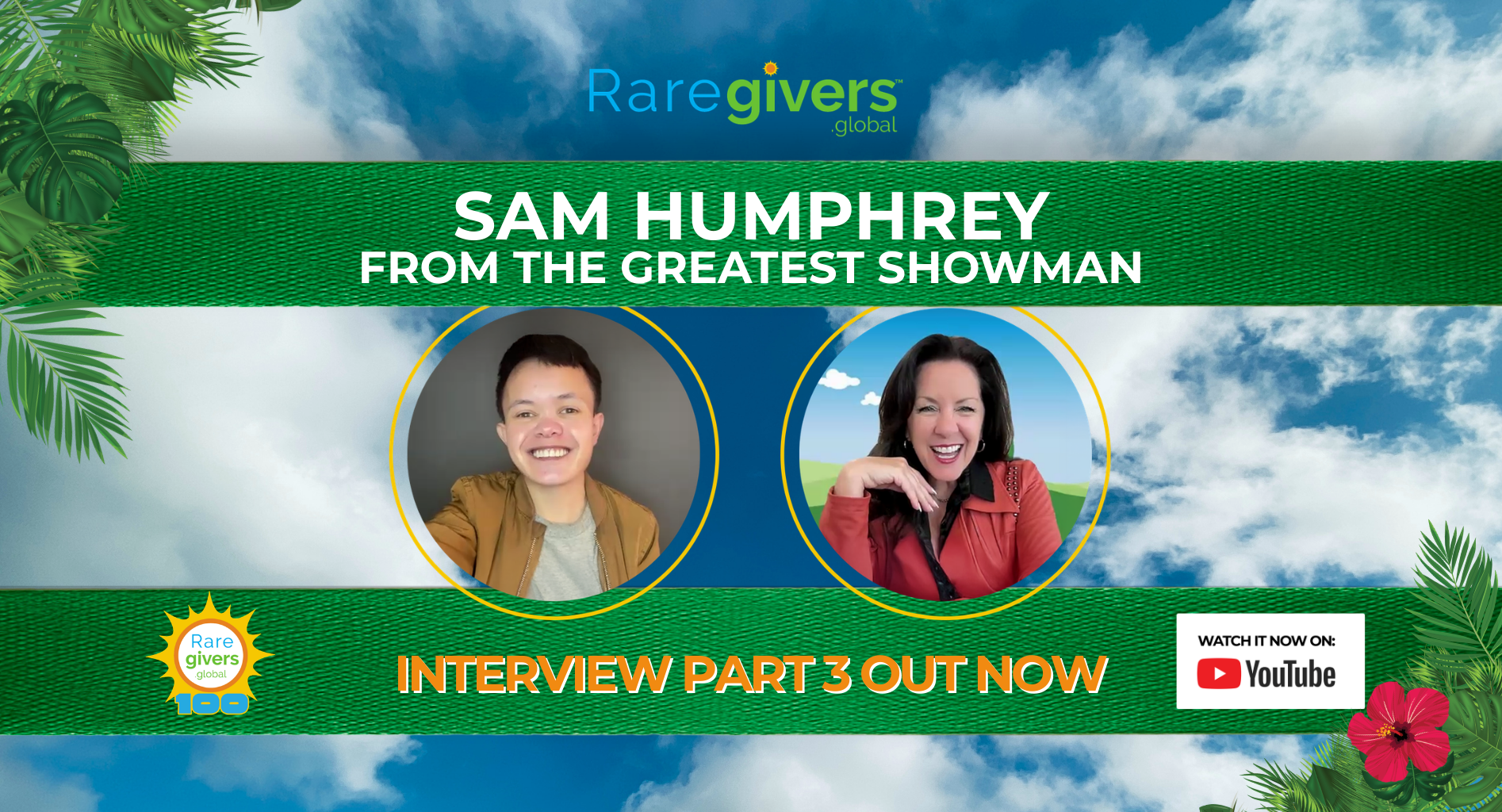
Love, Genetics, and the Courage to Be Seen: A Conversation with Sam Humphrey
In a recent conversation, Raregivers' founder reflected on why she began Angel Aid and why she continues the work at Raregivers today. Her daughter Chloe carries Hunter syndrome. So did her mother. So does she. Three generations connected by a rare genetic thread.
"When you're dating someone," she asked, "do you say, 'I carry this rare genetic disease that could really impact my children?' And when do you bring that up?"
There are no easy answers. But there is one clear truth. These conversations must happen in the community.

Raregivers 100 — Musicians, Singers & Songwriters
Music shapes how people feel, remember, and make sense of their lives. For rare disease families, it can also shape how grief is processed, how hope is held, and how stories are shared when words fall short.
The musicians, singers, and songwriters honored here have used their voices and platforms to raise awareness of complex health realities, amplify patient and caregiver experiences, and help make the invisible visible.
Raregivers 100: Media Leaders, Journalists & Producers
The media shapes what the world notices, understands, and remembers. For families navigating rare disease, visibility can mean the difference between being overlooked and being understood, between carrying the burden alone and being met with recognition and support.
The media leaders, journalists, and producers honored here have used their platforms to bring rare disease stories into public view. Their work elevates the realities of patients and caregivers, translates complex medical journeys with care, and helps make conditions that are often invisible impossible to ignore.

The Gift of Boundaries
In this week’s Women’s Empowerment Circle, we explored boundaries as acts of self-love. For raregivers, boundaries protect your peace and allow you to tend to yourself so you can continue tending to others. Internal boundaries matter just as much as interpersonal ones. For example, you might set a boundary around comparing your Rare child to neurotypical nieces and nephews, especially when they are hitting milestones your child may never reach. There’s a phrase, “compare and despair,” and it’s true, comparison almost always leads to suffering. When you notice you are comparing, that’s your cue to gently turn back toward your own life and your own child, loving and accepting them exactly as they are.
Raregivers 100 — Mental Health, Spiritual & Wellness Leaders
Mental health, spiritual well-being, and emotional resilience are not side conversations in rare disease: They’re central to survival for patients and caregivers navigating uncertainty, grief, long diagnostic journeys, and lifelong care.
The leaders honored here work at the intersection of lived experience and emotional support. Through advocacy, wellness education, community-building, and storytelling, they address the invisible weight carried by rare disease families: burnout, trauma, identity loss, and the mental strain of chronic uncertainty. Their work affirms that emotional health is not optional or secondary, but a critical part of the care ecosystem.
Together, these Raregivers 100 honorees highlight how healing can take many forms. When cures are not available and timelines remain unclear, mental, spiritual, and emotional support help families endure, adapt, and remain connected, so caregivers are supported as whole people, not just providers.
Raregivers 100 — Healthcare Professionals & Scientists
Rare disease progress depends on more than awareness. It depends on clinicians who listen closely, scientists who persist through uncertainty, and healthcare leaders who build systems where rare patients are no longer invisible.
For families navigating genetic complexity, diagnostic delay, and limited treatment options, healthcare professionals and researchers become lifelines. Their work shapes not only therapies, but trust, dignity, and the future of rare disease care.
These Raregivers 100 honorees reflect how medicine and science can transform isolation into possibility.
The Art of Clear Communication: Being Seen and Heard
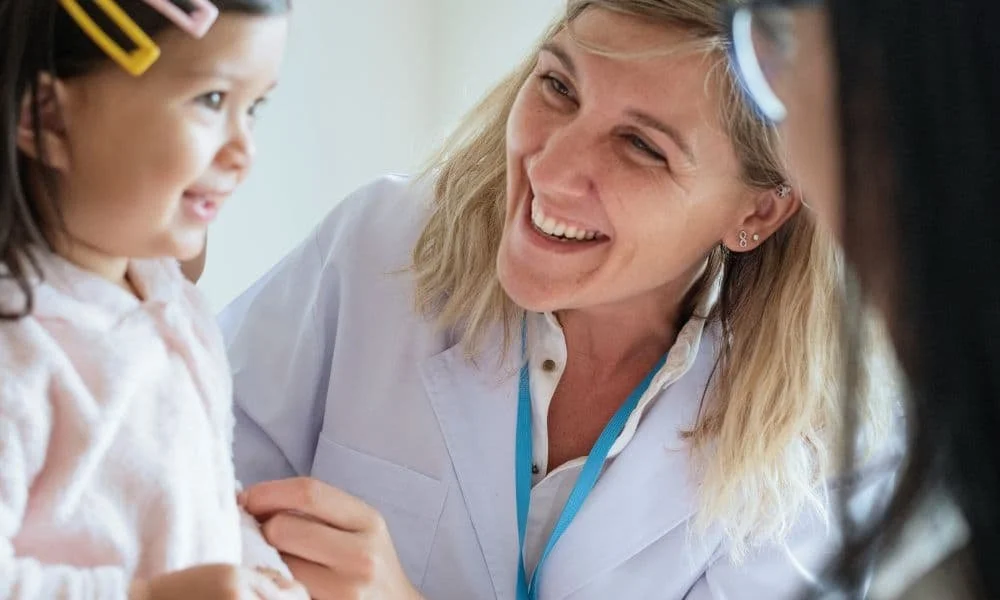
The power of being seen and heard cannot be overstated, especially for raregivers. Mindful relating begins with being connected and aligned with yourself so you can communicate from a grounded place and say what you need to say — including the hard things. As a raregiver, there are moments when you may feel overwhelmed and it seems like everyone needs you at once. This is your invitation to check in with yourself: What is your capacity right now? What can you realistically offer, and what would stretch you to go beyond the boundaries of what is true? Noticing what you can and cannot commit to is an act of self-love, and it allows you to support your Rare child, friends, and loved ones in ways that are sustainable.
Raregivers 100 — Business & Technology Leaders
Rare diseases may affect smaller populations, but their impact on patients and families is anything but small. For families living with genetic and complex conditions, rare disease becomes an everyday reality shaped by delayed diagnosis, limited treatment pathways, and profound caregiving responsibility.
Awareness in the rare disease space is built differently than in mainstream health conversations. It comes through parent-founders, biotech innovators, diagnostic leaders, and advocates who make the invisible visible.
These Raregivers 100 honorees reflect how rare disease progress happens through lived experience, scientific urgency, and the determination to ensure no family is left unseen.

Aligned Friendships: Essential qualities of a True Friend
This week in our Raregivers Emotional Support Group, we explored what it means for someone to be a true friend when your life has changed in profound ways. Many raregivers shared how friendships can become awkward, strained, or confusing as their reality shifts. At the same time, some of the most surprising people may show up for you in deeply meaningful ways. A true friend is often someone you don’t have to explain yourself to, who can see through your eyes, empathize, and walk beside you through both the good and the challenging moments.
We talked about how friendships exist in layers. Some friends are wonderful walking companions, while others are the ones you can call at any hour, no matter what. We also reflected on the importance of noticing the quiet kindnesses around us — the grocery clerk, the postman, the gardener tending roses that will bloom again in spring and how these moments nourish the heart.
Raregivers 100: Honoring Actors & Actresses Who Humanize Complex Medical Experiences
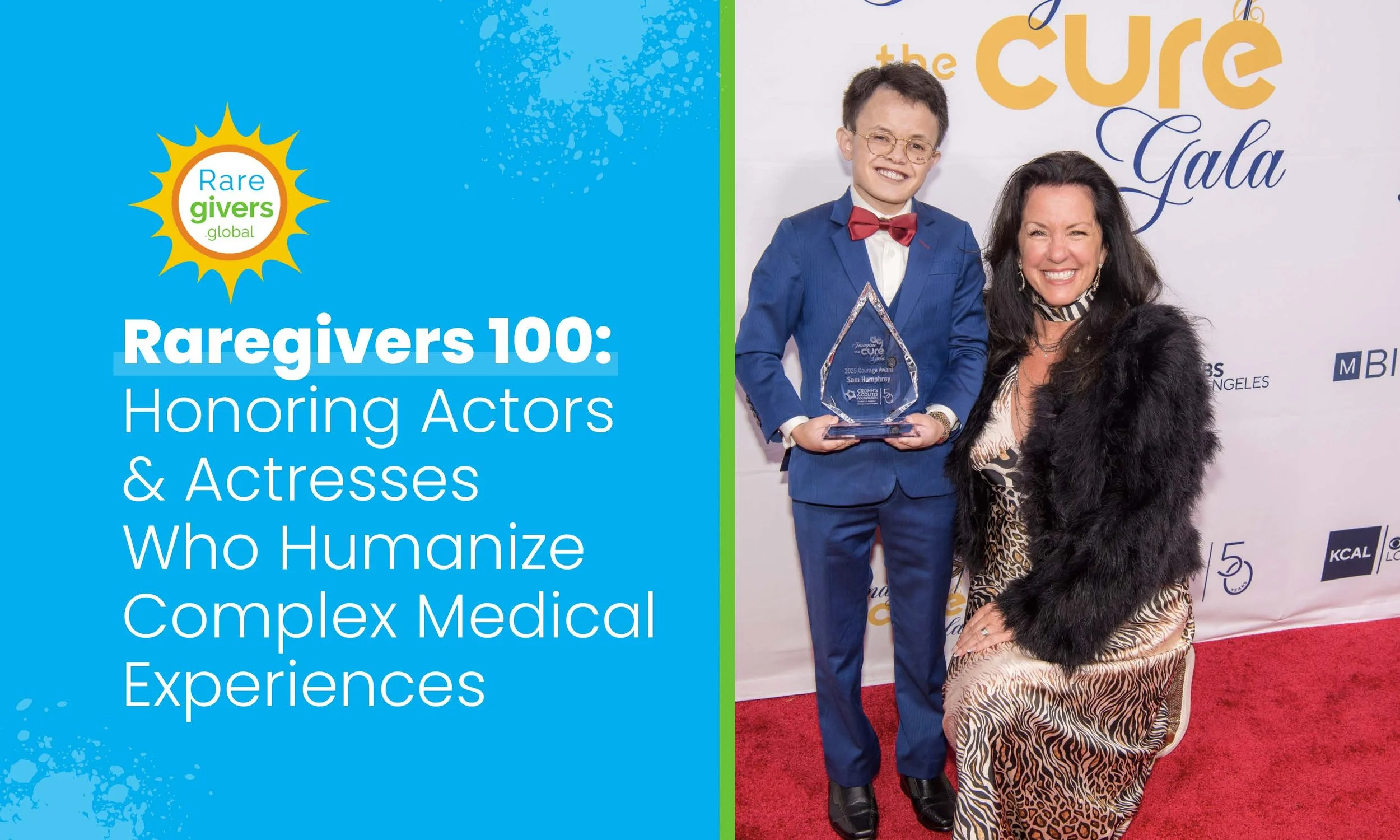
Actors and actresses who share their lived experiences with medical complexity create something powerful: cultural permission to acknowledge what millions face silently.
Through their platforms, they transform rare disease from abstract medical terminology into relatable, human stories that audiences worldwide can understand and connect with emotionally.
These ten Raregivers 100 honorees use their visibility to reduce stigma, create representation, and remind us that complex medical experiences deepen humanity.
Raregivers 100: Honoring Athletes & Trainers Who Demonstrate Resilience and Mental Toughness
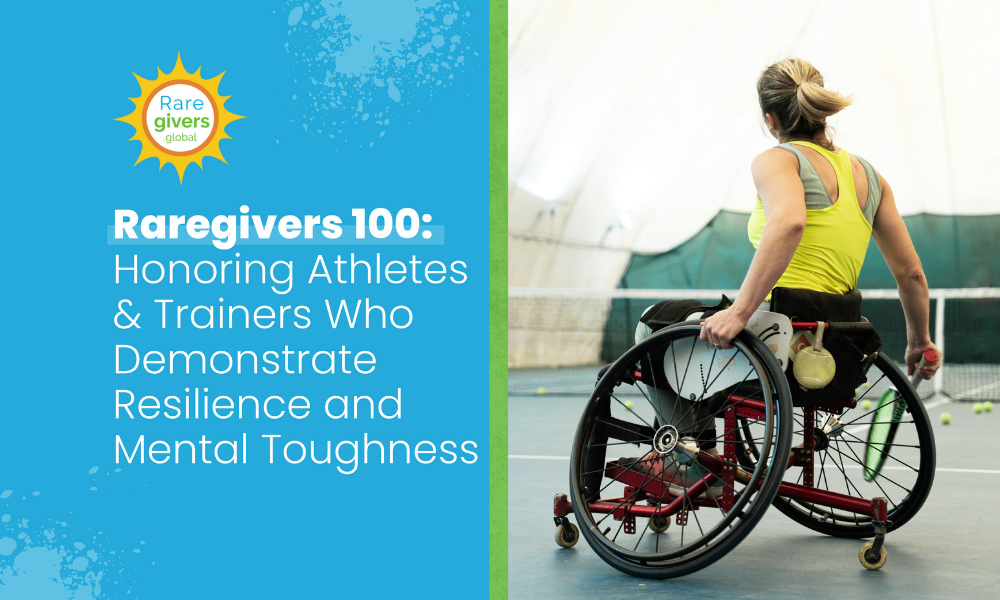
In sports, resilience is often measured by physical endurance and results. For many athletes and trainers, however, resilience is shaped beyond the arena through discipline, adaptation and the emotional work of navigating serious illness or complex medical realities.
Athletes and trainers living with rare disease, chronic illness, cancer, and other forms of medical complexity bring visibility to experiences often hidden behind performance.

Adjusting to the New Normal
In our Empowering Raregivers weekly support group, we focused on adjusting to changes (Stage 2 on the Raregivers Emotional Journey) as your Rare child’s disease progresses and how vital it is to acknowledge yourself for navigating a highly medicalized life. You are parenting and you are navigating a complex healthcare system with both its gifts and its limitations, often while hitting dead ends with insurance and care structures that simply do not address your child’s needs. Along the way, you become the resident expert on your child’s rare disease because information, treatments, and cures are mostly non-existent.
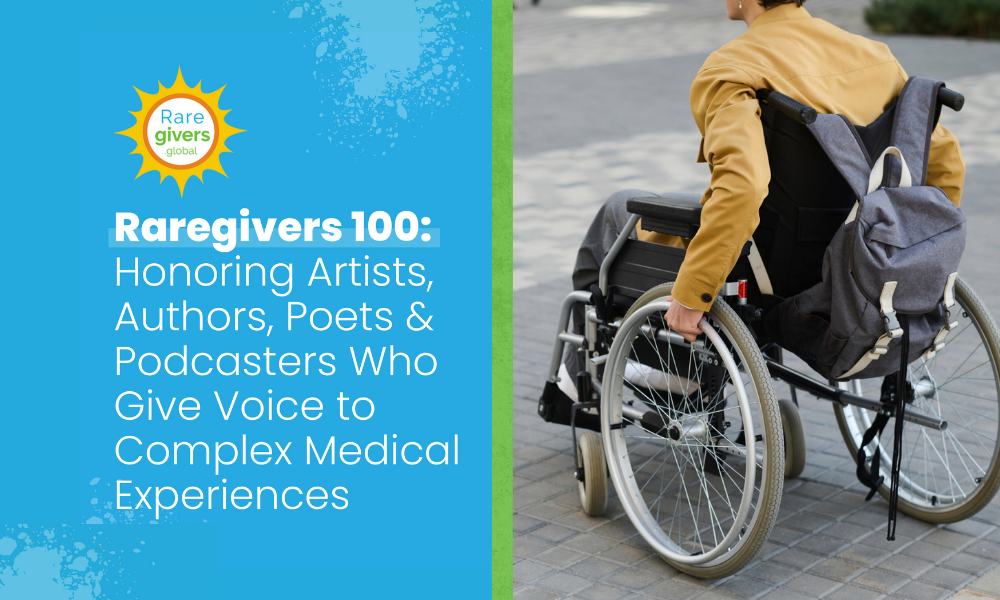
Raregivers 100: Honoring Artists, Authors, Poets & Podcasters Who Give Voice to Complex Medical Experiences
Creative expression offers what clinical language often cannot: a way to process grief, isolation, hope, and resilience through art that resonates beyond medical terminology. When artists, authors, poets, and podcasters share their experiences with rare disease, they create emotional language that helps others name what they're feeling and find community in shared stories.
These ten Raregivers 100 honorees use their creative platforms to transform complex medical experiences into art, literature, poetry, and conversations that validate the emotional journey of millions.
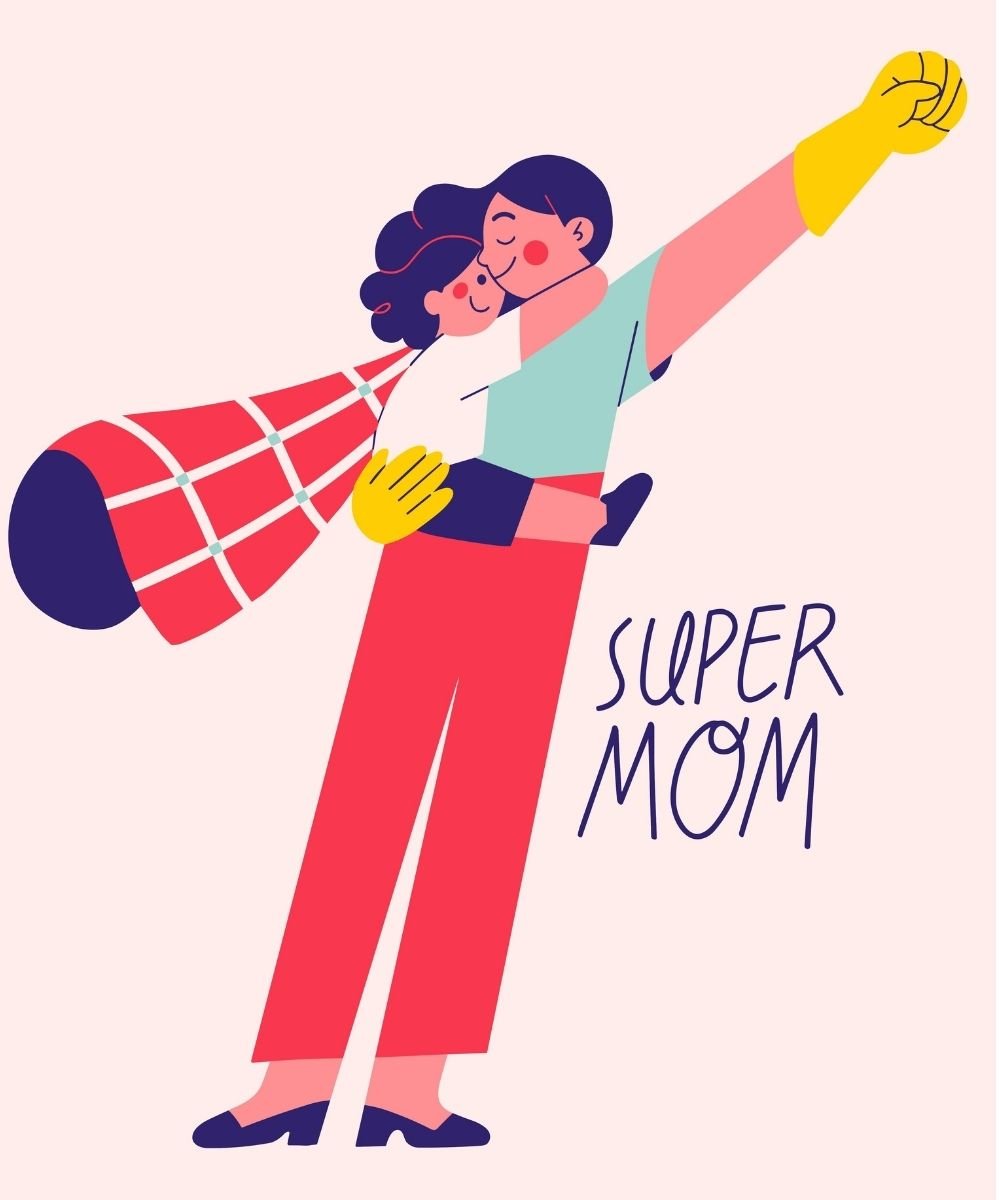
Being A Super Mom Means Regulating Your Nervous System
Navigating a child’s Rare disease is uniquely challenging. There is so little information. You receive genetic counseling in the hospital, and then, for many raregivers, there is nothing. Until fairly recently, meaningful support was largely unavailable, that’s where we come in. Living in this prolonged uncertainty places the nervous system under constant strain. One of the most important skills a raregiver can develop is learning how to regulate their nervous system. Self-care is not indulgent; it is a form of self-empowerment. The more grounded you are within yourself, the more capacity you have to meet the realities of Rare disease as they unfold.
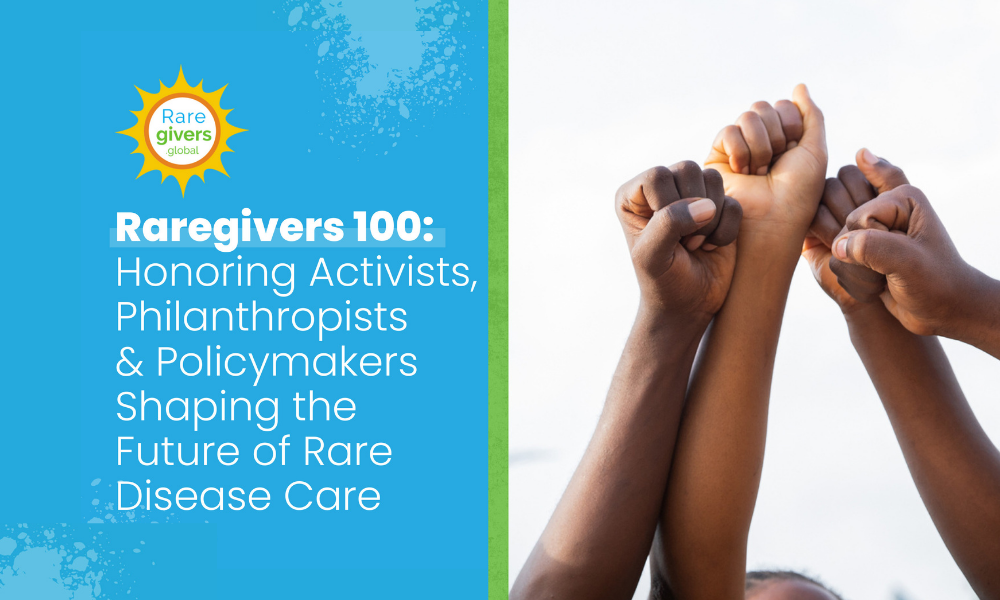
Raregivers 100: Honoring Activists, Philanthropists & Policymakers Shaping the Future of Rare Disease Care
When more than 350 million people worldwide live with rare diseases and fewer than 5% of over 10,000 rare conditions have approved treatments, progress cannot rely on medical innovation alone. The path forward also requires leaders who understand that sustainable care includes emotional support for caregivers, patients, and the professionals who serve them.
Activists raise awareness. Philanthropists provide resources. Policymakers shape systems. Together, they build the infrastructure that makes caregiver wellness not just possible, but prioritized.
Opening To Feelings
Our first Women’s Empowerment Circle of 2006 was incredibly powerful. We began by greeting one another and settling in, and I introduced the theme of gratitude. Gratitude is not a way to bypass reality, but rather is a practice of presence. Early on, someone shared that a child in their Rare community had died suddenly. Sudden deaths are especially destabilizing; there is no time to prepare, no gradual acclimation to the unthinkable. For raregivers, when a Rare child dies, it brings the fears that often live quietly in the background straight into the foreground.

Receiving Your Growth
We had a wonderful last Women’s Empowerment Circle of the year, and our hearts are full. We took time together to receive the things that grew us and to reflect on how we evolved over the course of the year. We spoke about how self-care practices are cultivated slowly, over time, and how they support us as we navigate emotional challenges. We honored the blessing of showing up consistently and how powerful it is regardless of which stage of the raregivers emotional journey you are on that you continue to be present with ourselves and our community. We are looking forward to diving back in with everyone next week on January 6th, 2026.

What’s Next?
We had a beautiful Women’s Empowerment Circle this week which was the last one of this series and the year. It was filled with tenderness, honesty, and deep connection. As we sat together, it became clear how many raregivers carry grief that is both profound and uniquely isolating, especially for those whose Rare child has died. The holidays can intensify this experience, stirring memories, longing, and moments of quiet sorrow. If this is you, please know you are not alone, and there is no “right” way to grieve.

Strategies for Communicating Hard Things
Communicating difficult news, whether about health, family challenges, or major life changes is one of the hardest things we do, yet it’s also one of the most important. When emotions run high, clarity and compassion matter more than ever. Approaching tough conversations with intention—choosing the right moment, grounding the discussion with empathy, and speaking honestly but gently can transform a painful exchange into a moment of connection.
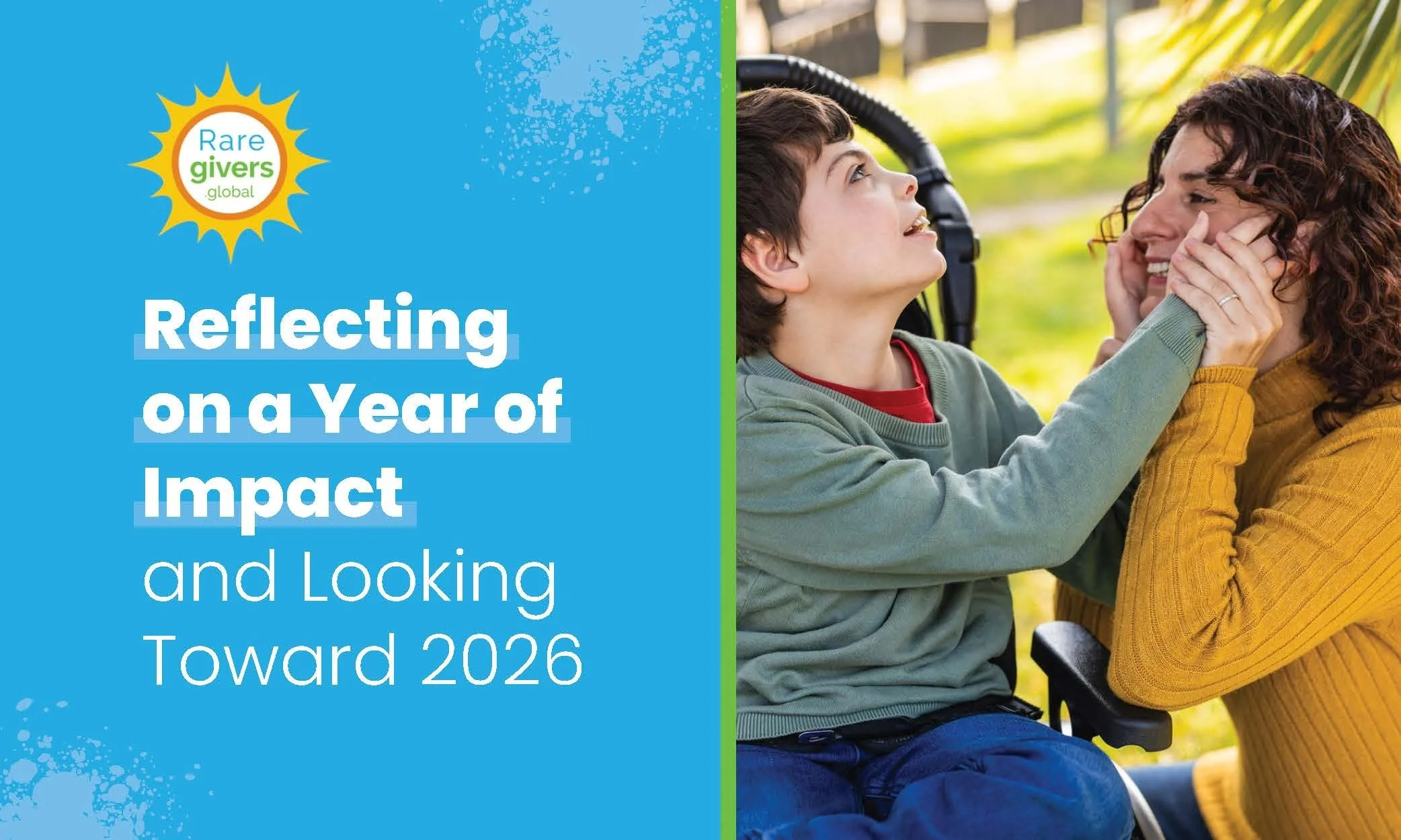
Reflecting on a Year of Impact and Looking Toward 2026
Reflect on a year of impact with Raregivers. Explore our 2026 goals for growing the rare disease community and advancing caregiver-centered change.

STAY IN TOUCH
Sign up & receive updates about our community!