Raregivers 100: Media Leaders, Journalists & Producers

The media shapes what the world notices, understands, and remembers. For families navigating rare disease, visibility can mean the difference between being overlooked and being understood, between carrying the burden alone and being met with recognition and support.
The media leaders, journalists, and producers honored here have used their platforms to bring rare disease stories into public view. Their work elevates the realities of patients and caregivers, translates complex medical journeys with care, and helps make conditions that are often invisible impossible to ignore.
Together, these Raregivers 100 honorees demonstrate how progress in rare disease happens when lived experience is taken seriously, scientific urgency is communicated responsibly, and storytelling is used to ensure no rare disease family remains unseen.
Peter Alexander
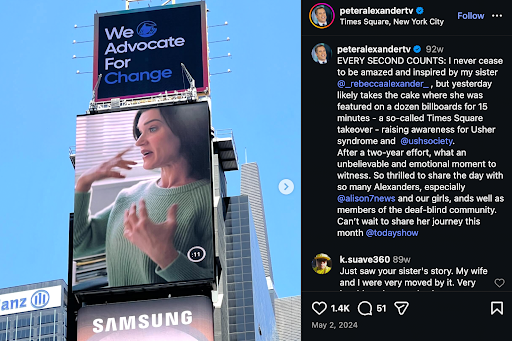
Peter Alexander is an Emmy Award–winning journalist and NBC News Chief White House Correspondent who has used his national platform to elevate rare disease visibility and advocacy.
Through his reporting and public engagement, Alexander has helped bring greater awareness to the challenges faced by rare disease patients and caregivers.
He’s also served as host of the National Organization for Rare Disorders’ Rare Impact Awards, recognizing individuals and organizations advancing progress across the rare disease community.
Alexander has shared his family’s personal connection to rare disease by speaking publicly about his sister’s experience living with Usher syndrome.
By connecting lived experience with mainstream media reach, his advocacy has helped make rare disease stories more visible, relatable, and understood.
Lisa Burke
Lisa Burke is a broadcast journalist and host at RTL Today who has brought attention to rare disease awareness and the often-overlooked realities of living with complex diagnoses.
Through radio and television discussions, Burke has examined how rare conditions shape daily life not only for patients, but for caregivers and families navigating long-term uncertainty.
Her coverage highlights the emotional, mental health, and caregiving challenges that frequently remain unseen within rare disease communities.
Katie Couric
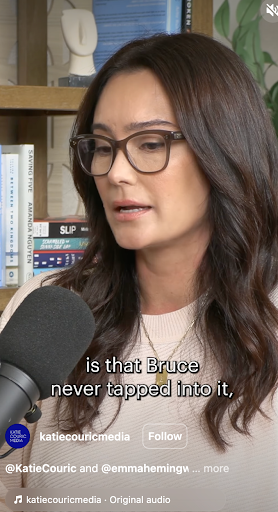
Katie Couric is a veteran journalist and media producer who has helped bring greater visibility to conversations within the rare disease community.
Through moderated panels, interviews, and her broader media platforms, Couric has amplified patient and caregiver perspectives while elevating patient-led research initiatives.
Her work has supported more nuanced discussions around innovation, access to care, and the role of storytelling in advancing rare disease understanding and advocacy.
Jenny Cape
Jenny Cape is a former collegiate athlete and advocate who uses storytelling to raise awareness of rare blood disorders.
After being diagnosed with aplastic anemia and undergoing a bone marrow transplant, Cape has shared her experience publicly to help educate audiences about the realities of rare disease, treatment, and long-term recovery.
By grounding her advocacy in lived experience, she brings visibility to the challenges faced by individuals and families navigating rare conditions.
Richard Engel
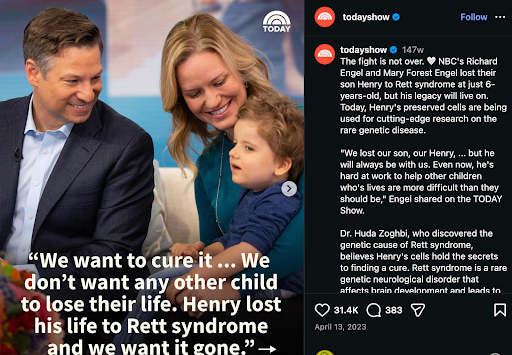
Richard Engel is NBC News’ Chief Foreign Correspondent, whose personal experience has informed a deep connection to rare disease awareness.
Through his family’s journey with Rett syndrome, Engel has spoken openly about the challenges of diagnosis, long-term caregiving, and navigating uncertainty.
By sharing these realities publicly, he has helped underscore the importance of compassionate, accurate media coverage that reflects the lived experiences of rare disease families.
Lucy Frank
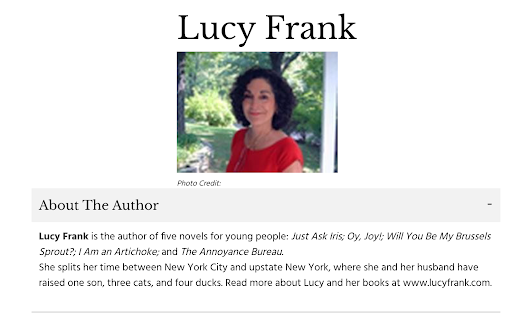
Lucy Frank is a journalist and producer whose work centers on patient-centered storytelling, with a particular focus on the lived realities of rare and complex conditions. Through long-form reporting and narrative media, Frank has helped surface the human impact of chronic and rare illness, including the caregiving and family dynamics that often remain unseen.
Her work contributes to more informed and empathetic conversations about conditions that are frequently overlooked within mainstream health coverage. She is also the author of the novel Two Girls Staring at the Ceiling, a young adult verse novel that uses inventive page design to tell the story of two teenage girls hospitalized with Crohn’s disease.
The book explores their evolving friendship, the emotional upheaval of chronic illness, and the resilience required to navigate life-altering diagnoses, bringing nuanced attention to an often stigmatized condition through literary storytelling.
Patrick James Lynch
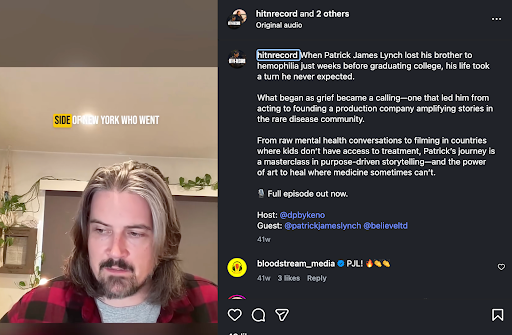
Patrick James Lynch is the co-founder of BloodStream Media, a podcast and media network dedicated to chronic and rare disease communities.
Through shows such as The BloodStream Podcast, Lynch has helped create platforms where patients, caregivers, and clinicians can share lived experience, education, and advocacy.
By centering underrepresented conditions and community-driven storytelling, his work supports greater visibility, understanding, and connection across rare disease communities
Jason and Devin McCourty
Jason and Devin McCourty are former NFL players turned broadcasters who have used their public platforms to raise awareness of sickle cell disease.
Through their Tackle Sickle Cell initiative, the McCourty brothers have helped drive education, encourage blood donation, and support families navigating a lifelong genetic condition.
By pairing media visibility with sustained advocacy, their work has helped bring greater understanding and tangible support to communities affected by sickle cell disease.

Robin Roberts
Robin Roberts is a journalist and anchor on Good Morning America who has openly shared her experience living with myelodysplastic syndrome, a rare bone marrow disorder.
By telling her story on national television, Roberts helped educate millions about rare blood diseases, the critical importance of donor registries, and the role of caregivers throughout diagnosis, treatment, and recovery.
Her openness has contributed to greater awareness and understanding of conditions that are often misunderstood or overlooked.

Suriya Sivakumar
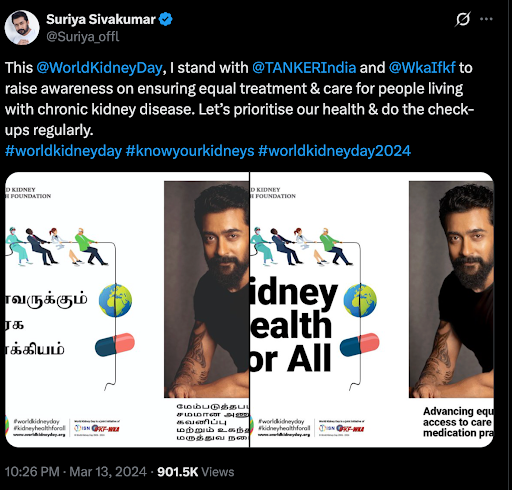
Suriya Sivakumar is an Indian actor and producer who has used his public platform to support health access, awareness, and dignity for individuals navigating complex medical conditions.
As a long-time supporter of kidney disease treatment initiatives through the TANKER Foundation, Suriya has helped draw attention to the realities faced by patients and families managing chronic and life-altering illness.
He’s also participated in public health campaigns related to tuberculosis and HIV, using media visibility to reduce stigma and encourage care-seeking.
His work reflects how media figures can help humanize complex health journeys and bring greater visibility to communities that are often underserved or overlooked.