
Raregivers 100: Honoring Actors & Actresses Who Humanize Complex Medical Experiences
Visibility, Narrative, and Cultural Empathy
Actors and actresses who share their lived experiences with medical complexity create something powerful: cultural permission to acknowledge what millions face silently.
Through their platforms, they transform rare disease from abstract medical terminology into relatable, human stories that audiences worldwide can understand and connect with emotionally.
These ten Raregivers 100 honorees use their visibility to reduce stigma, create representation, and remind us that complex medical experiences deepen humanity.
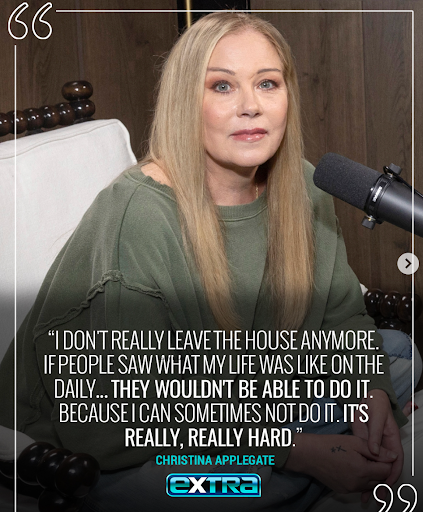
Christina Applegate
Living publicly with multiple sclerosis, Christina Applegate has transformed her platform into advocacy for disability visibility and chronic illness awareness. Her candid discussions about navigating MS while continuing her career have normalized conversations about invisible illness and the reality that professional success and disability can coexist.
By sharing her journey without apology, she's shown millions that chronic illness is simply one part of a full, complex life.
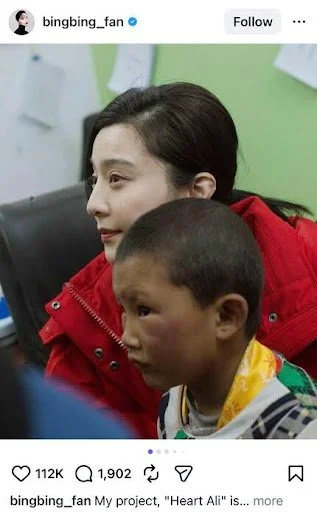
Fan Bingbing
One of China's most recognized actresses, Fan Bingbing brings rare disease awareness to massive global audiences. Her advocacy work creates visibility in communities where medical complexity often remains hidden, demonstrating that cultural change requires voices that can connect entertainment with authentic health conversations.
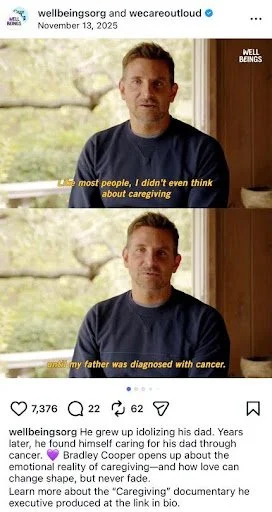
Bradley Cooper
Bradley Cooper's work both on-screen and through advocacy has brought attention to the emotional complexity of caregiving and medical challenges.
His storytelling choices consistently humanize experiences that mainstream media often overlooks, proving to his audiences that vulnerability is an essential component of genuine strength.
Colin Farrell
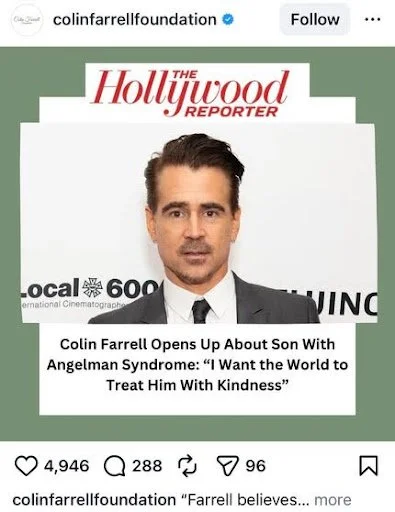
As a father to a son with Angelman syndrome, Colin Farrell has used his platform to advocate for disability rights and rare disease awareness.
His honesty about the realities of parenting a child with complex medical needs has helped countless families feel less alone. He stands as living proof that celebrity status doesn't shield anyone from the profound challenges and joys of rare disease caregiving.
Chris Hemsworth
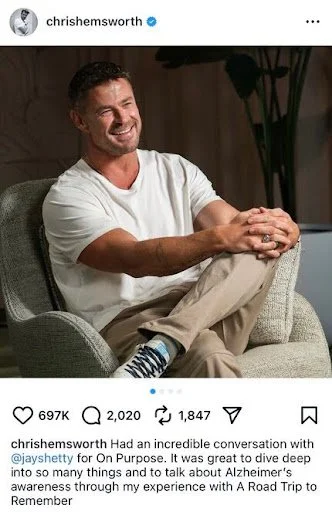
Chris Hemsworth's openness about his genetic predisposition to Alzheimer's disease shifted global conversations about preventive health and genetic testing.
By sharing his journey publicly, he's normalized discussions about hereditary conditions and the emotional weight of genetic knowledge, helping families worldwide feel less isolated in similar circumstances.
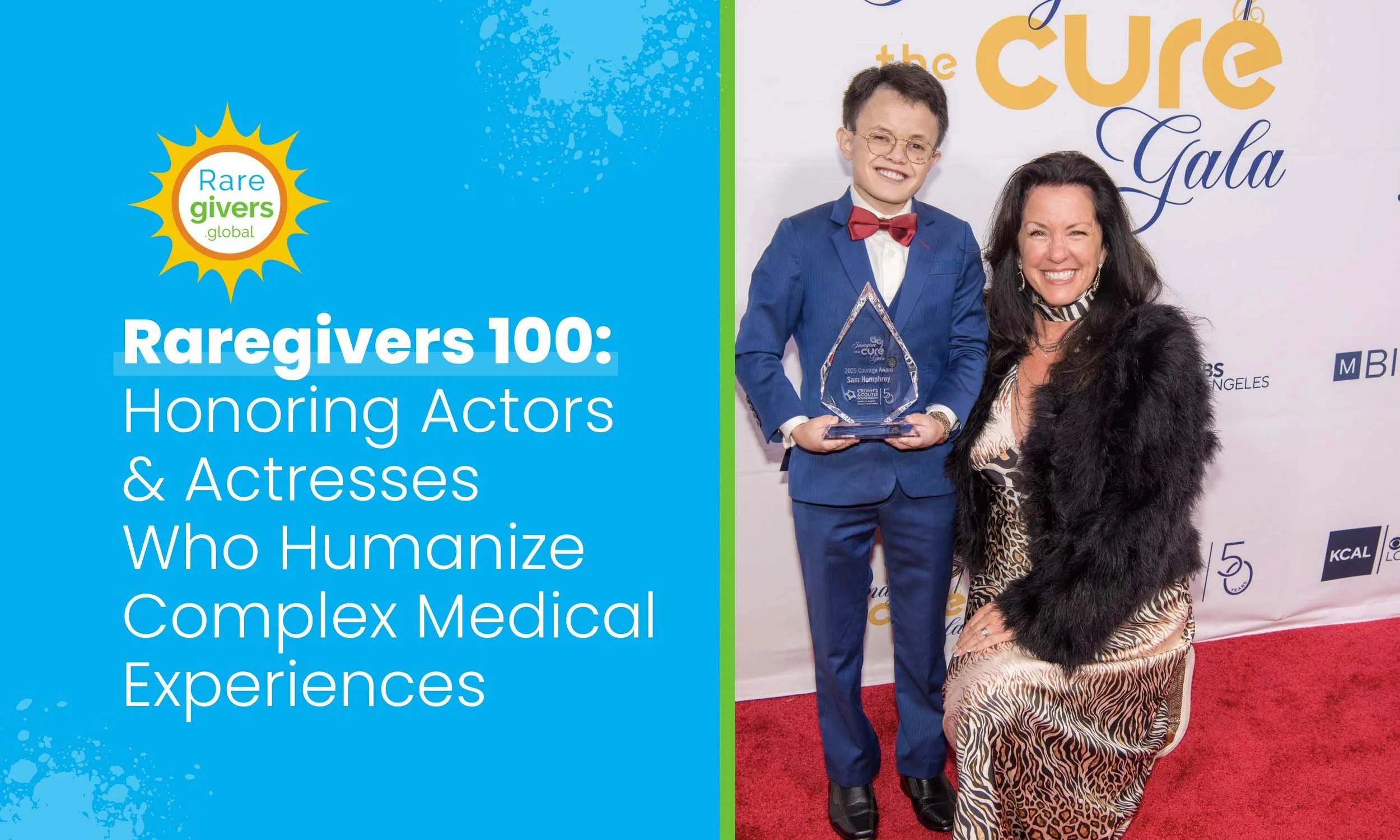
Sam Humphrey
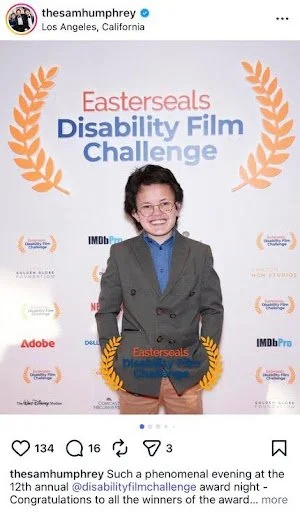
Living with skeletal dysplasia, Sam Humphrey has transformed his experience into powerful advocacy for disability representation in entertainment.
His work demonstrates that authentic representation reflects the full humanity of people navigating medical complexity. His story about family caregiving and mental health shows how survival becomes a family affair when rare disease challenges arise.
Dakota Johnson
Dakota Johnson's candid discussions about mental health and chronic conditions have helped reduce stigma around invisible illnesses.
Her willingness to speak honestly about challenges that don't show up in photographs creates space for others to acknowledge their own struggles without the shame of judgment.

Dwayne Johnson
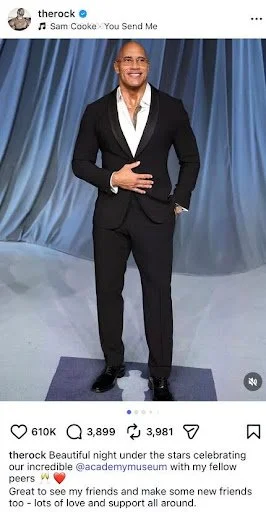
Dwayne Johnson has used his platform to raise awareness of serious health challenges and the lived impact of complex medical diseases.
Eva Longoria
Eva Longoria's advocacy work extends beyond entertainment into health equity and access, particularly for Latino communities.
Her commitment to ensuring diverse populations receive comprehensive care reflects an understanding that representation matters, both on screen and in healthcare systems.

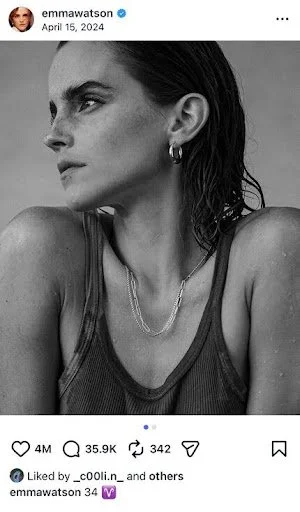
Emma Watson
Emma Watson is an advocate for rare disease research, including epidermolysis bullosa, and has supported cure-focused efforts through EB Research Partnership’s Venture Into Cures events.
Key Takeaways
Visibility Creates Permission: Public figures who share their medical journeys normalize experiences millions face privately. Christina Applegate's openness about MS gives others permission to acknowledge their own chronic illness without shame.
Narrative Shapes Understanding: Storytelling transforms medical terminology into human experience. Colin Farrell's advocacy for his son creates empathy by showing the reality behind diagnoses.
Representation Reduces Isolation: Seeing yourself reflected in public figures matters profoundly. Sam Humphrey's work in entertainment shows that disability belongs on screen as authentic human experience.
Cultural Empathy Requires Diverse Voices: Fan Bingbing and Eva Longoria demonstrate that global and cultural representation ensures no community remains invisible in rare disease conversations.
These actors and actresses prove that entertainment platforms can educate, normalize and create the cultural shifts necessary for systemic change. Stigma decreases and understanding grows through millions of followers hearing honest conversations about chronic illness, disability and caregiving. Community matters for families affected by rare diseases because visibility creates permission for others to share their experiences without shame.
Raregivers honors these storytellers who've chosen to use their visibility for connection rather than perfection, showing that complex medical experiences are part of the full human story, worthy of representation, understanding, and support.
