
Raregivers 100: Honoring Athletes & Trainers Who Demonstrate Resilience and Mental Toughness
In sports, resilience is often measured by physical endurance and results. For many athletes and trainers, however, resilience is shaped beyond the arena through discipline, adaptation and the emotional work of navigating serious illness or complex medical realities.
Athletes and trainers living with rare disease, chronic illness, cancer, and other forms of medical complexity bring visibility to experiences often hidden behind performance.
These ten Raregivers 100 honorees show families that resilience and struggle can coexist, that treatment does not end ambition, and that caregiving support is essential to sustained achievement.
Gail Devers
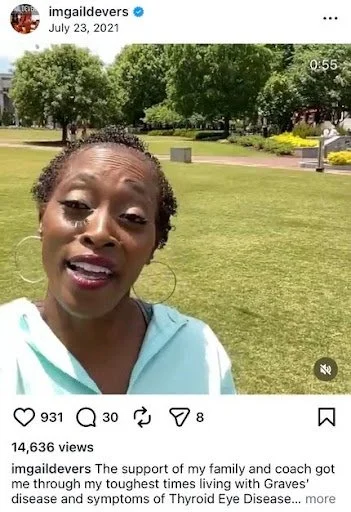
Olympic gold medalist Gail Devers competed at the highest levels while managing Graves’ disease, an autoimmune condition that required aggressive medical treatment and nearly ended her career.
Steve Gleason
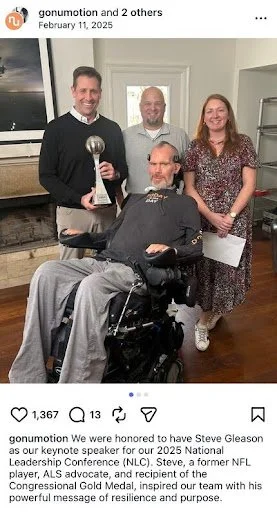
Former NFL player Steve Gleason transformed his ALS diagnosis into sustained advocacy for people living with progressive neurological disease. Through Team Gleason and the documentary Gleason, he brought national attention to the physical, emotional, and caregiving realities of ALS, reinforcing that purpose and contribution persist even as physical abilities change.
Tony Hawk
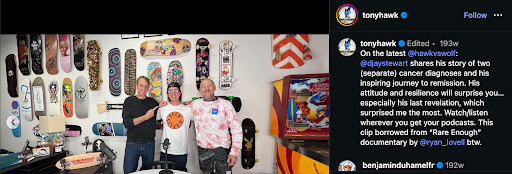
Legendary skateboarder Tony Hawk has used his platform to support adaptive athletics and inclusive access to sport. His work broadens participation for individuals often excluded from traditional athletic spaces, reinforcing that movement, identity and community remain meaningful across a wide range of physical abilities.
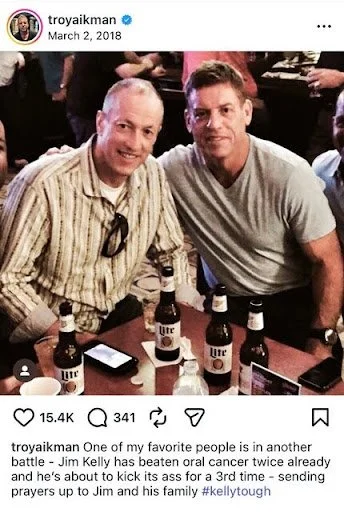
Jim Kelly
NFL Hall of Famer Jim Kelly’s public battle with oral cancer brought attention to the emotional and relational toll of serious illness. Sharing his setbacks and recovery highlighted the importance of caregiver support, vulnerability and mental endurance throughout cancer treatment.
Michelle McCool
Professional wrestler Michelle McCool has spoken openly about mental health and invisible health challenges in athletic environments. Her story is a reminder that strength is not always something others can see.
In sports, athletes are often expected to push through pressure and pain, even when the struggle is emotional or unseen. This closely connects with the rare disease community, where caregivers and families often face invisible burdens every day.
McCool’s openness helps widen the conversation about support, resilience, and the importance of recognizing challenges that may not be visible on the outside.

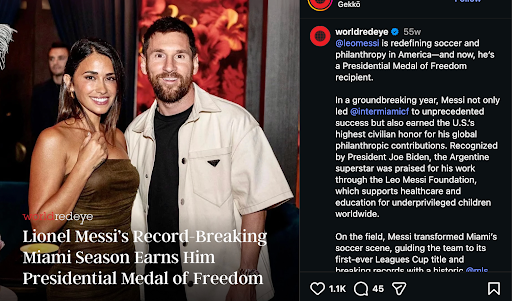
Lionel Messi
Lionel Messi and his family established the Leo Messi Foundation in 2007 to help vulnerable children worldwide gain access to healthcare, education, and sport. The foundation supports medical treatment and services for children with serious health needs, funds research and hospital resources, and builds opportunities through education and physical activity.
Messi’s early experiences with a childhood health condition helped shape his commitment to ensuring every child has the chance to thrive. Through partnerships with organizations such as UNICEF and direct investments in medical and educational projects, his foundation works to improve the well-being of children and families, inspiring others to support health and caregiving causes globally.
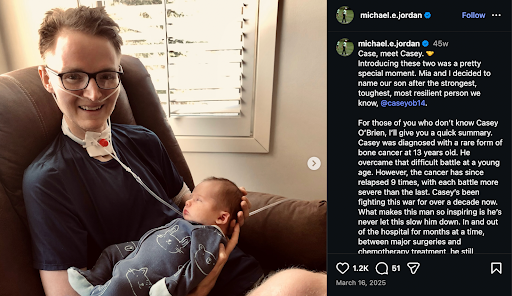
Casey O'Brien
Casey O’Brien was first diagnosed as a young teenager with osteosarcoma, a rare form of bone cancer, and went on to survive multiple bouts of the disease while continuing his college football career at the University of Minnesota. He fought through treatments and surgeries and even played in games as a holder for the Gophers, becoming an inspiration on and off the field.
Off the field, O’Brien has used his story to inspire others, including giving keynote speeches, raising awareness, and supporting hospitals and patients through fundraising campaigns tied to his own experiences.
His journey shows how purpose, identity, and ambition can coexist with illness when strong support systems are in place and when individuals and families face adversity with courage and community behind them.
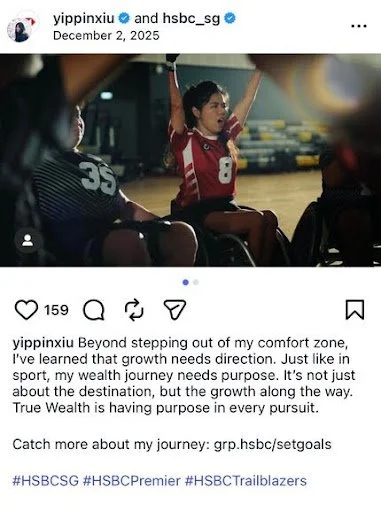
Yip Pin Xiu
Singaporean Paralympic swimmer Yip Pin Xiu has earned multiple gold medals while living with muscular dystrophy, a progressive neuromuscular condition. Her achievements highlight how adaptive training, medical coordination, and caregiving support can sustain performance as physical capacity changes.
Venus Williams
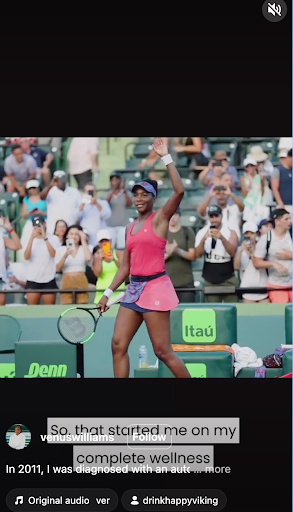
Tennis champion Venus Williams competes at elite levels while managing Sjögren’s syndrome, an autoimmune condition marked by chronic fatigue and pain. Her openness about adapting training and competition around symptom flares has helped many people with autoimmune disease feel seen and understood.
Russell Wilson
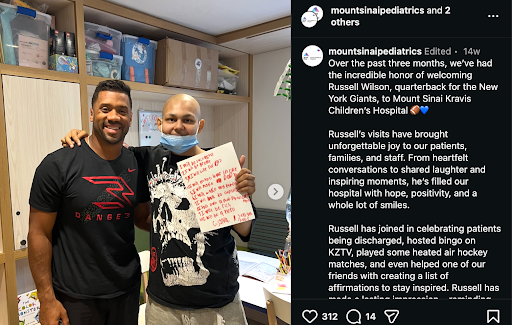
NFL quarterback Russell Wilson uses his platform to support pediatric health initiatives and children’s hospitals, including through the Why Not You Foundation. His work helps expand access to resources and care for children facing serious medical conditions.
By highlighting the emotional and mental health needs of families alongside physical treatment, Wilson’s advocacy reflects a core truth in the rare disease community: healing requires support that extends beyond medicine to the whole family.
Key Takeaways
Resilience Is Built Through Adaptation: Mental toughness is shaped through flexibility, discipline, and emotional endurance, especially when health challenges are present.
Visibility Validates Experience: Public stories normalize conversations around illness, recovery, and caregiving.
Caregiving Enables Continuity: Athletic achievement amid medical complexity depends on family, medical teams, and community support.
Purpose Persists: Diagnosis does not negate ambition.
Athletes and trainers living with chronic illness, cancer, rare disease and other complex medical conditions show that medical complexity does not limit long-term participation, contribution or achievement when strong support systems are in place. Their visibility helps ground these conditions in real lives, illustrating how autoimmune disorders, progressive neurological diseases, cancer and genetic conditions intersect with discipline, identity and care.
Community matters for families affected by rare diseases and complex conditions because shared visibility makes these experiences easier to recognize and discuss. Effective advocacy acknowledges both patient realities and the caregiving structures that support them.
RareGivers honors these athletes and trainers for bringing attention through lived experience, advocacy or public service to the realities of illness, treatment and adaptation. Their stories affirm that medical complexity exists within full, accomplished lives shaped by resilience, care and continued purpose.
