Raregivers 100 — Business & Technology Leaders
Rare diseases may affect smaller populations, but their impact on patients and families is anything but small. For families living with genetic and complex conditions, rare disease becomes an everyday reality shaped by delayed diagnosis, limited treatment pathways, and profound caregiving responsibility.
Awareness in the rare disease space is built differently than in mainstream health conversations. It comes through parent-founders, biotech innovators, diagnostic leaders, and advocates who make the invisible visible.
These Raregivers 100 honorees reflect how rare disease progress happens through lived experience, scientific urgency, and the determination to ensure no family is left unseen.
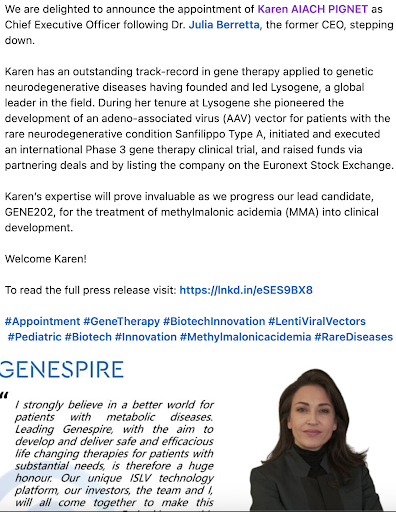
Karen Aiach
Karen Aiach’s daughter, Ornella, was diagnosed with Sanfilippo syndrome type A, a fatal, rare neurodegenerative disease. Faced with the absence of treatment options, Aiach became a powerful example of caregiver-driven innovation.
She founded Lysogene (and later became CEO at Genespire) to develop gene therapies for rare brain-related disorders and has spent her career advancing rare disease research through biotech leadership and advocacy. Today, as CEO of Genespire, she continues advancing gene therapy approaches for children with severe genetic diseases.
Aiach’s story shows how rare disease progress is often driven by parents who refuse to accept that “nothing can be done.”
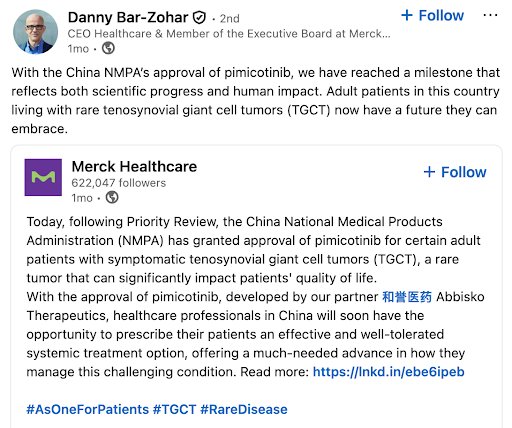
Danny Bar-Zohar
Danny Bar-Zohar has held major leadership roles in global pharmaceutical research and development, including at Merck KGaA’s healthcare division. His work influences which therapeutic areas receive investment and attention, including rare and specialty diseases.
Rare disease communities depend not only on visibility but also on the commitment of scientific institutions willing to pursue treatments for small patient populations.
Bar-Zohar represents the behind-the-scenes leadership that enables rare disease drug development.
Marc Benioff
Marc Benioff, founder and CEO of Salesforce, has used philanthropy to strengthen healthcare infrastructure, including major investments in hospitals and medical systems.
While not specific to one rare disease, his contributions support the broader ecosystem families rely on, especially those navigating complex genetic and pediatric care.

John Crowley
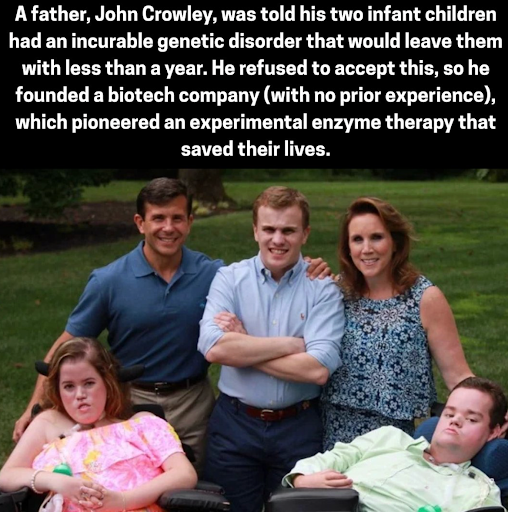
John Crowley is one of the most recognized figures in rare disease advocacy and drug development. After two of his children were diagnosed with Pompe disease, he left his corporate career to help build a company focused on developing treatment.
That work contributed to therapies that changed outcomes for Pompe patients worldwide. Crowley later founded and led Amicus Therapeutics, dedicated to rare disease medicines, and now serves as CEO of BIO, championing innovation and policy for the rare disease and biotech community.
Crowley’s life reflects how rare disease caregivers often become the architects of systemic change.
Aaron Horowitz
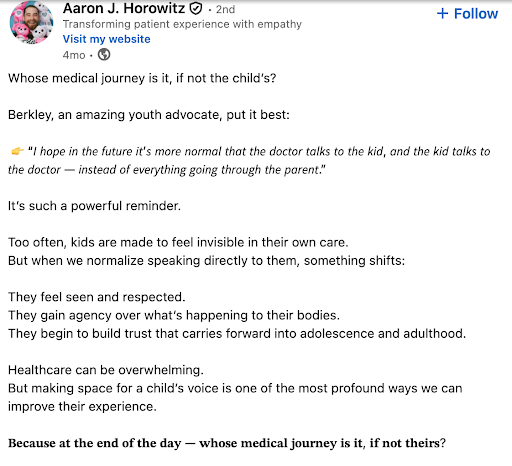
Aaron Horowitz is known for developing patient-centered innovations that support children living with serious medical conditions. Through Empath Labs, formerly Sproutel, his work has helped families navigate diseases like pediatric cancer, sickle cell disease, and other complex chronic and genetic disorders.
Rare disease is not only about medicine. It is about childhood, family life, fear, resilience, and daily care.
Horowitz’s contributions bring rare pediatric experience to the forefront through empathy-driven design.
Denisa McKnight
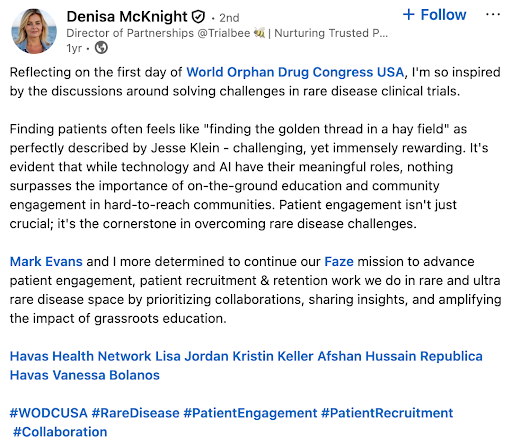
Denisa McKnight represents the clinical caregivers who support families living with rare diseases every day. Nurses and care coordinators are often the steady presence for patients navigating complex diagnoses, specialized treatment plans, and lifelong medical uncertainty.
Rare disease care is not only delivered through research breakthroughs. It is sustained through compassion, coordination, and human dignity in everyday healthcare settings.
McKnight embodies the caregiving foundation rare disease families depend on.
Lucia Penrod
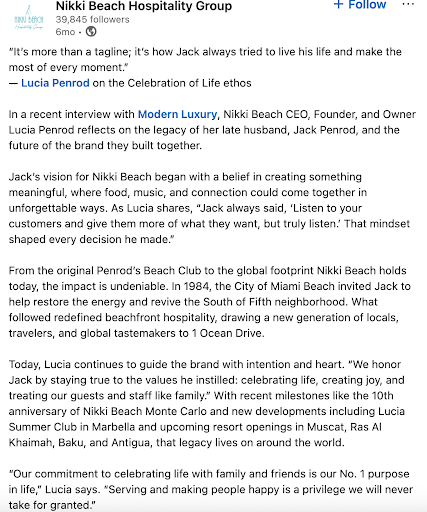
Lucia Penrod leads Nikki Beach Hospitality Group, a brand shaped by personal loss and remembrance. While her work is not rooted in medical advocacy, her emphasis on honoring life resonates deeply within rare disease communities, where families often face profound loss alongside ongoing caregiving.
Rare disease families live with constant emotional duality. They grieve what is uncertain or taken too soon while continuing to celebrate milestones, connection, and meaning in the present.
Penrod’s presence reflects an essential truth in rare disease caregiving: holding joy and grief at the same time is not denial, but resilience.
Amrit Ray
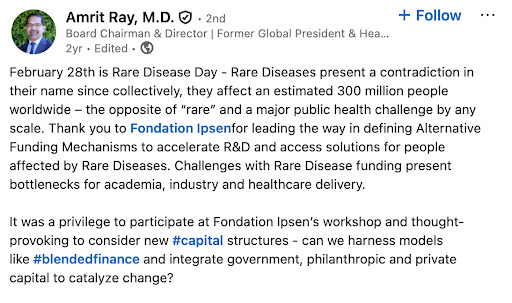
Dr. Amrit Ray focuses on one of the biggest barriers in rare disease progress: how innovation is funded. Through his global healthcare leadership, he has advocated for new funding models that combine public, philanthropic, and private capital to accelerate research and access.
His work highlights a key reality of rare disease care: scientific breakthroughs depend on financial systems built to support them.
Scott Schliebner
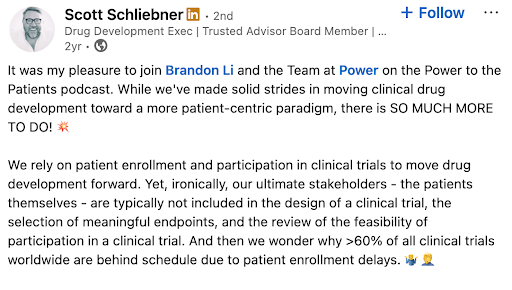
Scott Schliebner has spent his career helping advance rare disease research by improving how therapies are developed and tested. With decades of experience in orphan drug development and precision medicine, he focuses on making clinical trials more accessible and realistic for patients and families living with complex conditions.
His work emphasizes collaboration among biotech companies, researchers, and patient communities to reduce barriers to rare disease drug development and accelerate the path to new treatments.
Schliebner represents the behind-the-scenes leadership that helps turn rare disease science into meaningful care and progress for families who are too often overlooked.
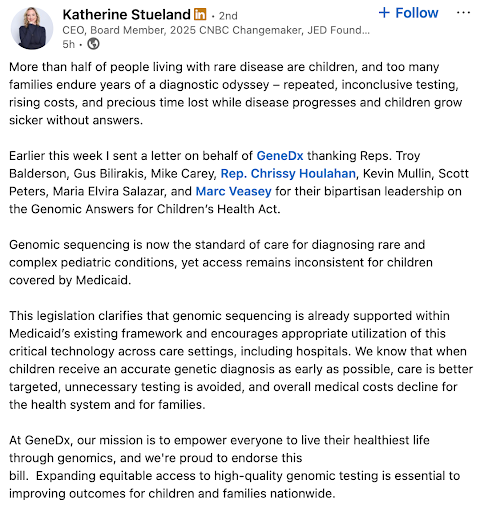
Katherine Stueland
Katherine Stueland, CEO of GeneDx, is helping transform rare disease diagnosis through genomic testing and precision medicine. For many families, the rare disease journey begins with years of unanswered questions.
An earlier and more accurate diagnosis means faster access to care, clinical trials, and community support.
Stueland’s leadership reflects a core truth in rare disease advocacy: visibility begins with being named, recognized, and believed.