
Raregivers 100: Honoring Activists, Philanthropists & Policymakers Shaping the Future of Rare Disease Care
Why Advocacy and Policy Matter to Emotional Relief
When more than 350 million people worldwide live with rare diseases and fewer than 5% of over 10,000 rare conditions have approved treatments, progress cannot rely on medical innovation alone. The path forward also requires leaders who understand that sustainable care includes emotional support for caregivers, patients, and the professionals who serve them.
Activists raise awareness. Philanthropists provide resources. Policymakers shape systems. Together, they build the infrastructure that makes caregiver wellness not just possible, but prioritized.
The Raregivers 100 honors ten leaders whose work in advocacy, funding, and policy continues to transform how rare, chronic and complex disease communities access emotional support.
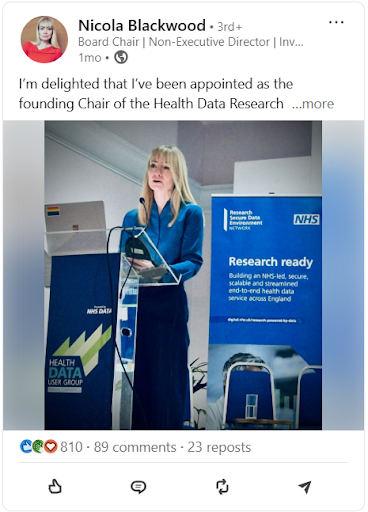
Nicola Blackwood
A leading voice in rare disease policy in the United Kingdom, Nicola Blackwood has helped shape healthcare frameworks that recognize caregivers as essential partners in treatment outcomes.
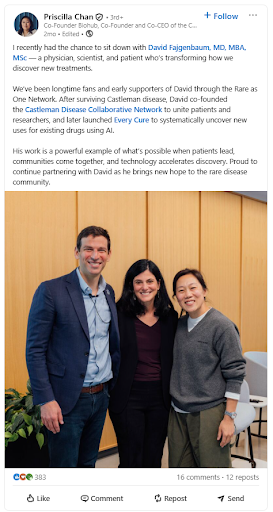
Dr. Priscilla Chan
As co-founder of the Chan Zuckerberg Initiative, Dr. Priscilla Chan brings medical expertise and long-term philanthropic vision to rare disease communities, most recently through the launch of the Chan Zuckerberg Biohub Network, a collaborative research effort accelerating discovery across complex diseases.
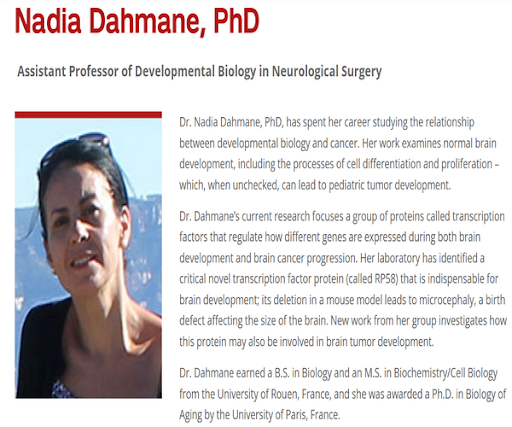
Nadia Dahmane
Nadia Dahmane’s advocacy centers on amplifying voices often missing from rare disease conversations. Her leadership has expanded access to emotional support resources for diverse and historically underserved communities, reinforcing the truth that rare disease affects every population and support systems must reflect that reality.
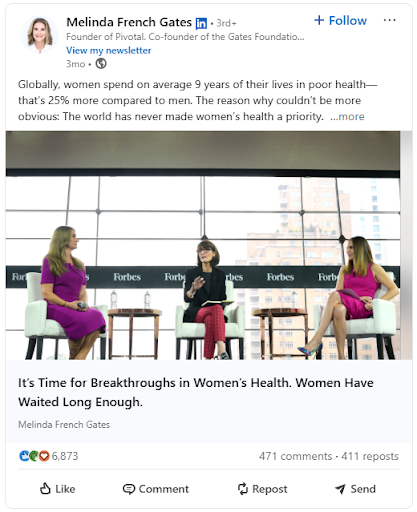
Melinda Gates
Through decades of global health philanthropy, Melinda Gates has helped redefine how healthcare challenges are addressed at scale, including through Pivotal Ventures, the foundation she founded to advance power and opportunity for women, families and caregivers alongside patients.
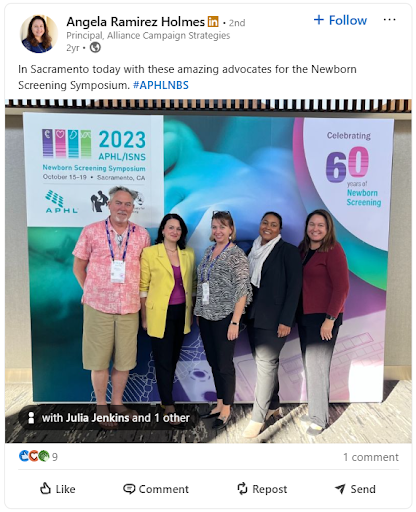
Angela Ramirez Holmes
Angela Ramirez Holmes brings lived experience and policy expertise to rare disease advocacy. Her work focuses on ensuring Latino and diverse communities can access culturally competent resources, addressing language barriers, access gaps, and the emotional strain carried by caregivers navigating complex systems.
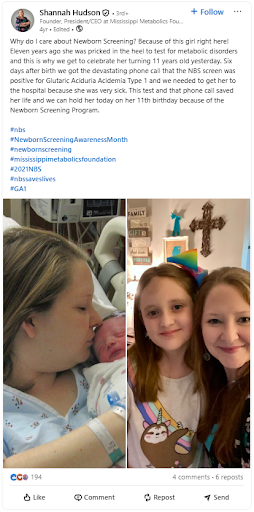
Shannah Hudson
Shannah Hudson’s grassroots activism demonstrates the power of lived experience turned into collective action. By raising awareness of caregiver realities and emotional burden, she has helped shift conversations within her community and created space for other families to be seen and heard.
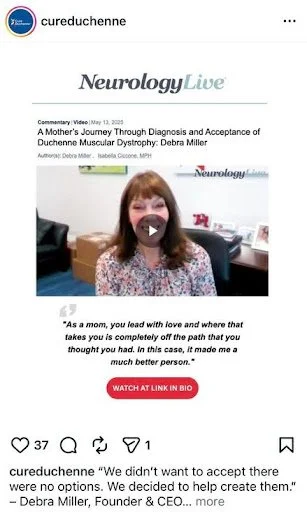
Debra Miller
Debra Miller’s philanthropic leadership centers on building sustainable support systems for rare disease families. Her approach recognizes that funding emotional wellness programs is not secondary to research. It directly impacts family resilience, treatment adherence, and long-term outcomes.
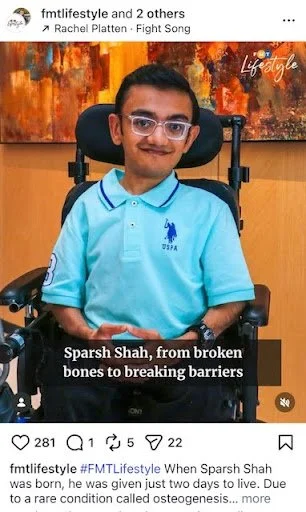
Sparsh Shah
Living with osteogenesis imperfecta, Sparsh Shah has become a global advocate for disability rights and rare disease awareness. Through music, speaking, and digital platforms, he reaches millions with messages of resilience and hope, showing how lived experience paired with visibility can reduce isolation for families worldwide.
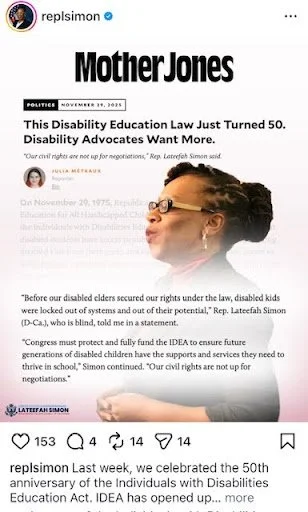
Rep. Lateefah Simon
Lateefah brings rare disease advocacy into legislative spaces informed by lived disability experience.
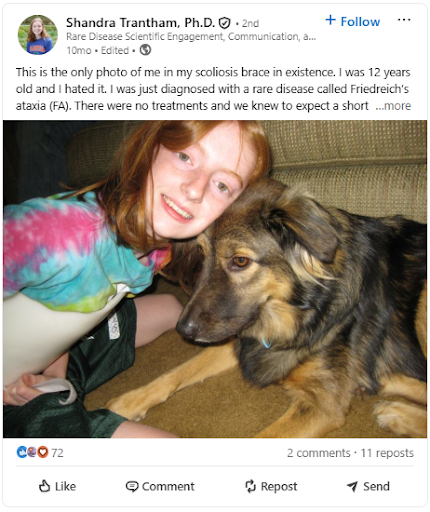
Shandra Trantham
Shandra Trantham’s advocacy focuses on ensuring families receive both medical care and emotional support. Her leadership has helped create networks where caregivers can find community, validation, and practical tools, spaces where hope and grief are allowed to coexist.
The Power of Recognition
These ten leaders represent different paths toward a shared goal: making rare disease caregiving visible, sustainable, and recognized as a global health priority. Their work shapes the ecosystem in which Raregivers operates, informing policy, directing funding, and changing how communities understand the emotional realities of rare disease.
Recognition is not promotion. It is an acknowledgment. It is our thank you to these individuals.
By honoring activists, philanthropists, and policymakers who are already leading, Raregivers recognizes the infrastructure builders whose work makes direct emotional support possible. Their influence reaches places most families never will, including legislative chambers, foundation boardrooms, policy discussions, and global health forums, carrying caregiver voices with them.
The Raregivers 100 reflects a simple truth caregivers have always known: emotional support is not optional. It is essential to sustainable care.
