
Raregivers 100: Honoring Artists, Authors, Poets & Podcasters Who Give Voice to Complex Medical Experiences
Creativity as Emotional Language
Creative expression offers what clinical language often cannot: a way to process grief, isolation, hope, and resilience through art that resonates beyond medical terminology. When artists, authors, poets, and podcasters share their experiences with rare disease, they create emotional language that helps others name what they're feeling and find community in shared stories.
These ten Raregivers 100 honorees use their creative platforms to transform complex medical experiences into art, literature, poetry, and conversations that validate the emotional journey of millions.
Madeline Cheney
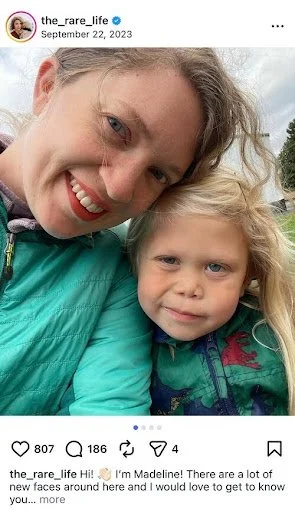
Through her podcast "The Rare Life," Madeline Cheney creates space for honest conversations about parenting children with rare diseases. Her storytelling captures both the profound challenges and unexpected beauty of rare disease caregiving, helping families feel less isolated in their experiences. By sharing her own journey as a rare mother alongside stories from others, she's built a community where vulnerability meets validation.
Sarita Edwards
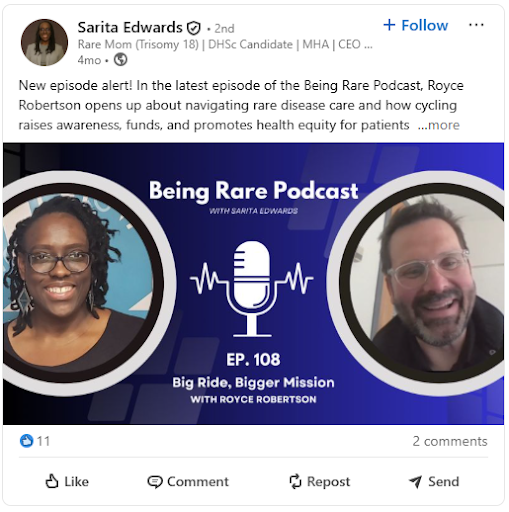
Sarita Edwards brings her creative voice to rare disease advocacy through writing and storytelling that centers family experiences. Her work demonstrates how narrative can transform medical complexity into human connection, creating pathways for others to understand what rare families navigate daily.
Haben Girma
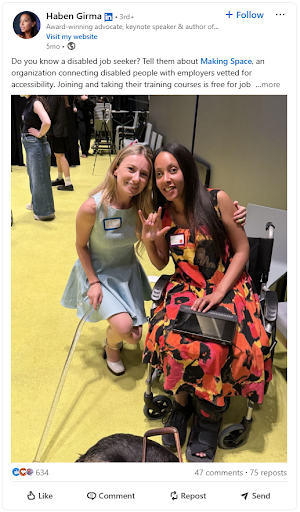
The first deafblind graduate of Harvard Law School, Haben Girma uses writing, speaking, and storytelling to advocate for disability rights and accessibility.
Heidi Johnson
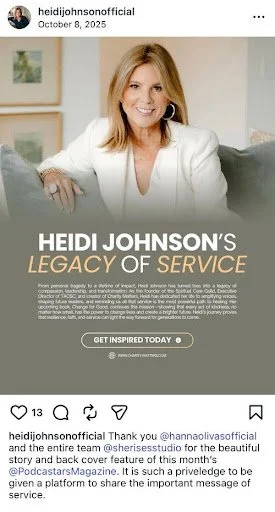
Heidi Johnson has built a legacy of service and storytelling that uplifts individuals and families navigating hardship, including those facing complex medical journeys, by emphasizing empathy, resilience, and community support.
Sandra Kitt
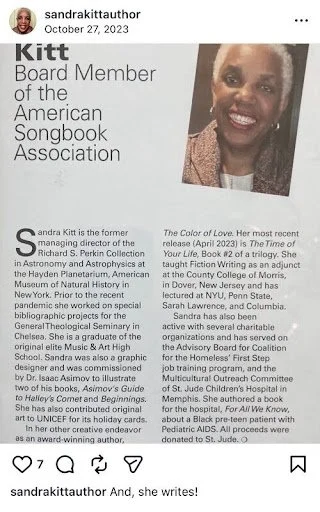
Romance novelist Sandra Kitt has used her platform to bring diverse voices and experiences into mainstream literature. Her commitment to representation in storytelling reflects understanding that seeing yourself reflected in art matters profoundly, particularly for communities often rendered invisible.
Miles Levin
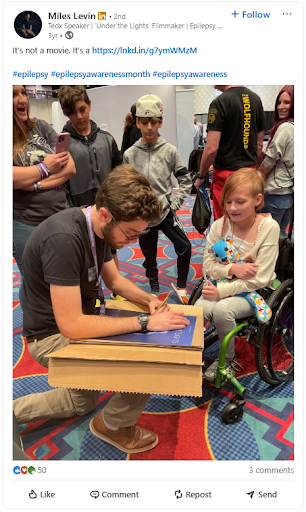
Filmmaker and TEDx speaker Miles Levin uses visual storytelling to humanize complex disease experiences, drawing on his own life with epilepsy to shift how the world sees the condition. He wrote and directed the acclaimed story Under the Lights, which follows a high school student with epilepsy who is so desperate to feel “normal” that he attends his prom despite knowing the lights could trigger a seizure. The story has become a powerful tool for building empathy. Originally a short film that screened at film festivals worldwide, Under the Lights was expanded into a full-length feature released in 2025. The film is widely regarded as one of the most impactful cinematic depictions of epilepsy to date. Through his work, both on screen and on stage, Miles brings creative expression into advocacy, showing how film and public speaking can foster empathy and understanding for often misunderstood conditions.
Effie Parks
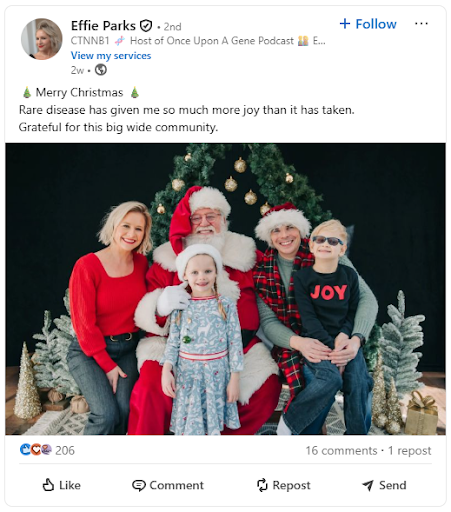
Host of "Once Upon a Gene," Effie Parks has created one of rare disease's most vital podcasting spaces. Her show brings together genetic condition stories, expert interviews, and practical support, creating a resource that serves both families navigating rare disease and professionals supporting them. Through authentic conversations, she's helped thousands feel less alone.
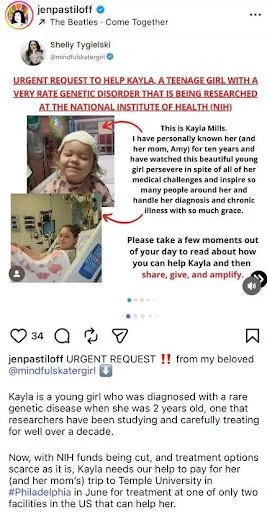
Jen Pastiloff
Author and workshop leader Jen Pastiloff uses her platform to amplify stories shaped by rare and complex medical conditions, including families navigating genetic disorders and chronic illnesses.
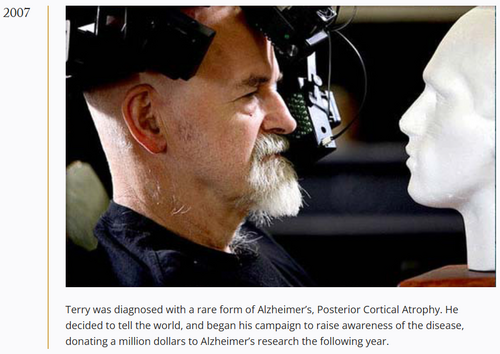
Sir Terry Pratchett & His Daughter Rhianna Pratchett (Continuing His Legacy)
Before his death from Alzheimer's disease, Sir Terry Pratchett used his platform as a beloved fantasy author to advocate for Alzheimer's research and assisted dying rights. His openness about his diagnosis and his continued creative work despite cognitive decline showed millions that identity persists beyond diagnosis.
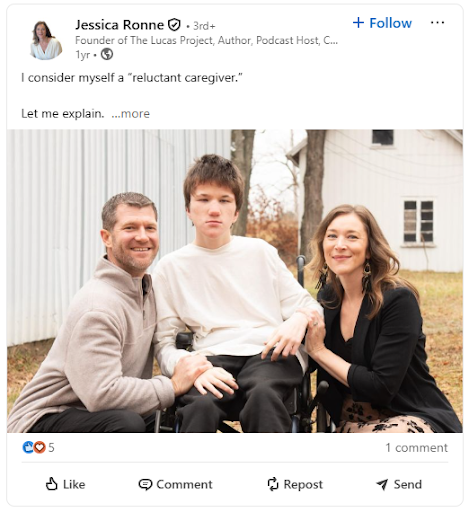
Jess Ronne
Through her writing and advocacy, Jess Ronne brings attention to the realities of navigating medical complexity while maintaining hope. Her storytelling creates bridges between rare disease experiences and broader audiences, helping people understand what they might never encounter personally.
Key Takeaways
Voice Creates Connection: Podcasts like "The Rare Life" and "Once Upon a Gene" demonstrate how sharing stories helps families feel less alone. Creative expression gives language to experiences that medical terminology cannot capture.
Storytelling as Emotional Processing: Miles Levin's filmmaking and Jen Pastiloff's workshops show how creative work helps process complex emotions around medical experiences, identity, and resilience. Art becomes a tool for making meaning from difficult experiences.
Representation Expands Possibility: Haben Girma and Sandra Kitt demonstrate that diverse representation in creative work shows people what's possible. When you see yourself in art and literature, you understand your experiences are valid and your voice matters.
Creative Advocacy: Miles Levin's work with the Epilepsy Foundation and Sir Terry Pratchett's advocacy for Alzheimer's research show how artists can use their platforms to advance understanding and support for specific conditions while continuing their creative work.
These artists, authors, poets, and podcasters prove that creative expression serves essential functions in rare disease communities. They provide emotional vocabulary when medical language falls short. They create community when isolation threatens. They validate experiences that others might never understand. They transform personal struggle into shared wisdom.
Raregivers honors these creators who've chosen to make their voices heard, showing that art, writing, poetry, and conversation are vital tools for emotional processing and community connection in rare disease journeys.
