Raregivers 100 — Healthcare Professionals & Scientists
Rare disease progress depends on more than awareness. It depends on clinicians who listen closely, scientists who persist through uncertainty, and healthcare leaders who build systems where rare patients are no longer invisible.
For families navigating genetic complexity, diagnostic delay, and limited treatment options, healthcare professionals and researchers become lifelines. Their work shapes not only therapies, but trust, dignity, and the future of rare disease care.
These Raregivers 100 honorees reflect how medicine and science can transform isolation into possibility.
Dr. Deepak Chopra
Dr. Deepak Chopra has long emphasized the connection between mind, body, and emotional well-being. His work has helped broaden healthcare conversations beyond symptoms alone, reminding clinicians that chronic and rare illnesses affect the whole person.
For rare disease families living with uncertainty, stress, and lifelong caregiving, this holistic lens reinforces an essential truth: healing is not only biomedical, but emotional and human.
Chopra’s influence has helped normalize integrative approaches that support resilience alongside treatment.

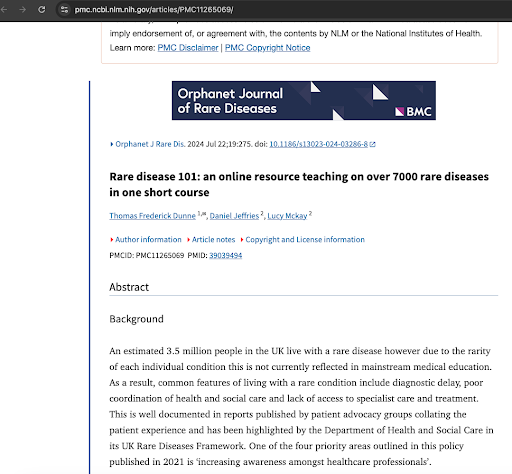
Dr. Thomas F. Dunne
Dr. Thomas F. Dunne is recognized for his contributions to improving healthcare systems and advancing specialized care for complex medical conditions. His work reflects the role of physician leadership in strengthening rare disease pathways, from earlier diagnosis to coordinated long-term support.
Rare disease progress requires not only discovery, but clinical structures that ensure patients are seen, understood, and cared for across a lifetime.
Dunne represents the systemic side of rare disease care that families depend on.
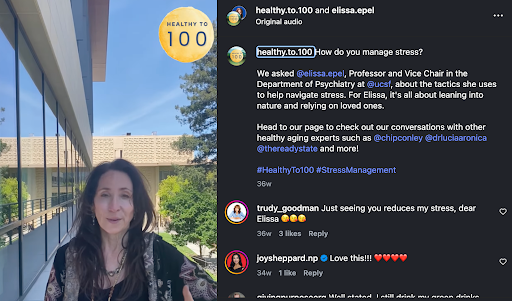
Dr. Elissa Epel
Dr. Elissa Epel’s research explores how stress and adversity shape biological health over time. Her work has important relevance for rare disease communities, where families often live with prolonged uncertainty, medical trauma, and caregiving strain.
By bringing scientific attention to the physiology of stress, Epel has helped validate what rare caregivers already know: emotional burden becomes physical, and well-being must be part of care.
Her contributions expand rare disease medicine into the realm of whole-family health.
Dr. David Fajgenbaum
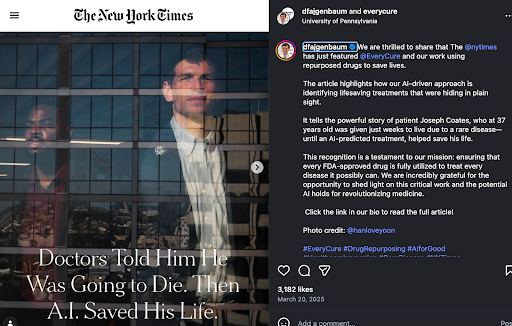
Dr. David Fajgenbaum is one of the most powerful examples of rare disease urgency driving innovation. Diagnosed with Castleman disease as a medical student, he became both a patient and a scientist, dedicating his career to accelerating the discovery of treatments.
He founded Every Cure and has led major efforts in drug repurposing, research collaboration, and the development of faster pathways to therapies for rare conditions.
Fajgenbaum embodies rare disease science at its most personal: survival transformed into systems of hope for others.
Dr. Al Freedman
Dr. Al Freedman has spent his career supporting children with serious and complex medical needs. His work reflects the essential role pediatric specialists play in rare disease, where families often require lifelong partnerships with clinicians who understand complexity.
Freedman represents the trusted medical presence that helps families navigate uncertainty with compassion and expertise.
Rare disease care is not only about cures, but about continuity and humanity in treatment.

Dr. Paul Harmatz
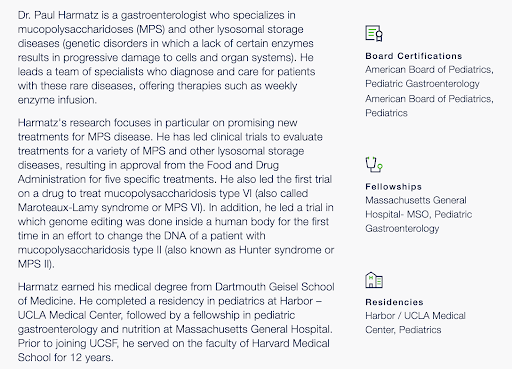
Dr. Paul Harmatz is widely known for his leadership in treating and researching rare genetic diseases, including lysosomal storage disorders. Over decades of clinical work, he has helped advance therapies and standards of care for conditions once overlooked or untreatable.
His career reflects the power of specialized expertise in turning rare diagnoses into actionable care.
Harmatz’s work has improved both survival and quality of life for patients with rare diseases worldwide.
Dr. Katey Hoffman
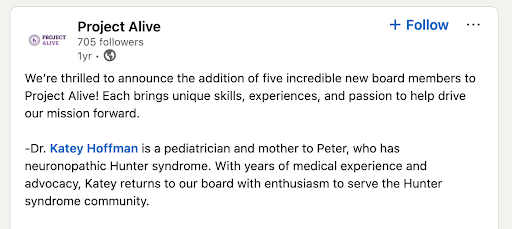
Dr. Katey Hoffman’s work emphasizes the importance of aligning research with patient experience. Rare disease communities often face gaps between scientific progress and real-world daily needs.
By focusing on patient-centered approaches, Hoffman contributes to a model of rare disease innovation that values lived experience as data and families as partners in discovery.
Her leadership reflects the future of rare disease research: collaborative, humane, and responsive.
Dr. Emil Kakkis
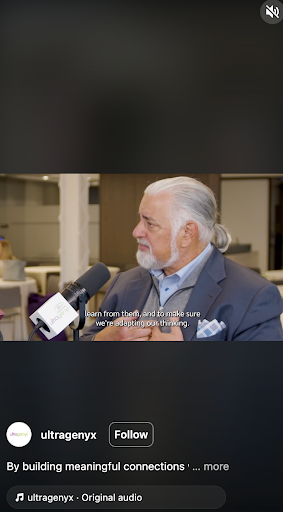
Dr. Emil Kakkis has played a major role in developing treatments for rare genetic diseases, including founding and leading organizations dedicated to orphan drug innovation.
His work has helped shape the modern rare-disease biotech landscape, proving that therapies for small populations are both scientifically feasible and morally urgent.
Kakkis represents the bridge between research, industry, and patient need that drives progress in rare disease research.
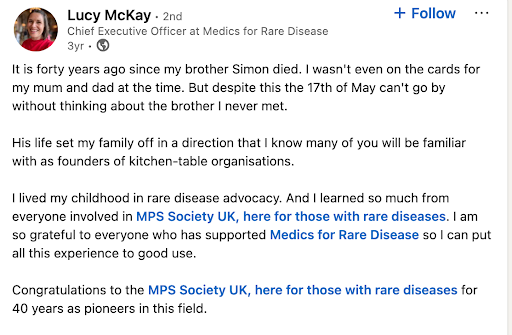
Lucy McKay
Lucy McKay has contributed to the rare disease space through leadership that connects science, advocacy, and patient-centered momentum. Rare disease progress depends not only on laboratories, but on networks that translate discovery into awareness, funding, and action.
McKay’s role reflects the importance of building communities where rare patients are no longer isolated and where a shared urgency guides research.
Her work helps ensure rare disease voices remain central in healthcare advancement.
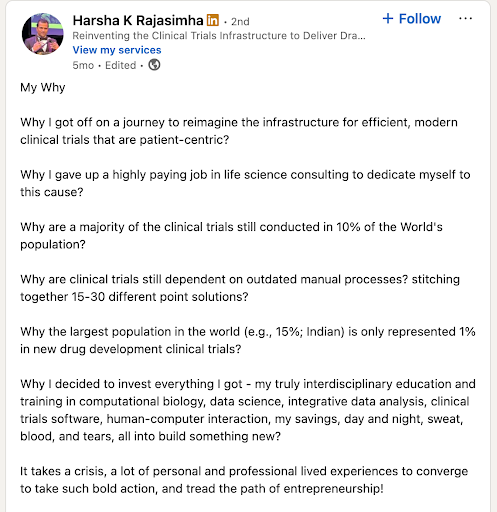
Dr. Harsha Rajasimha
Dr. Harsha Rajasimha is a rare disease innovator focused on precision medicine, digital health, and patient-powered research. As a founder and leader in rare disease technology platforms, he has helped improve how patients connect to clinical trials, data systems, and research opportunities.
His work reflects a key truth in rare disease care: innovation must include infrastructure that makes discovery accessible.
Rajasimha represents the growing intersection of genomics, technology, and the patient community in rare disease progress.