

BLOGS
The Hidden Mental Health Crisis Among Caregivers
Explore the hidden mental health challenges caregivers face, including burnout, emotional stress, and isolation. Learn how support and community can improve caregiver wellbeing
The Beauty of Boundaries
As a caregiver for a loved one with a Rare disease, setting boundaries is one of the most powerful acts of self-love you can practice. When you set internal or interpersonal boundaries, you prioritize yourself—your sleep, your nourishment, and your well-being. You keep appointments with yourself to exercise or rest, which is a way of honoring your own worth.
The Courage To Grieve
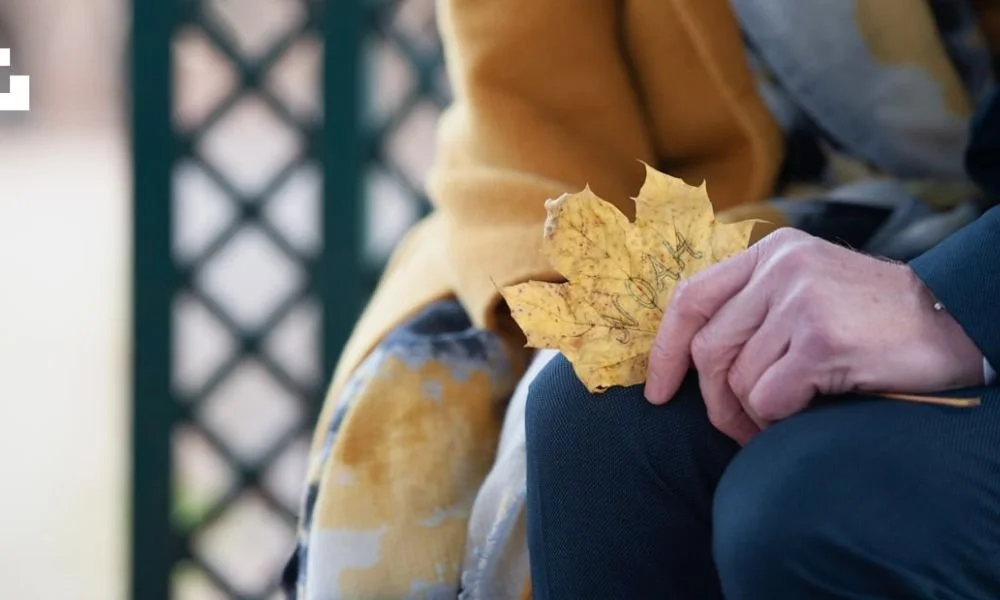
Anticipatory grief is a quiet, constant companion for many rare givers. It doesn’t arrive all at once or move in a straight line—it ebbs and flows alongside uncertainty. When there is no clear diagnosis or no predictable path forward, the mind naturally tries to fill in the gaps, imagining outcomes and searching for ways to control what cannot be controlled. You may notice that grief resurfaces in waves—during conversations with others, at medical appointments, or even in ordinary moments that suddenly feel fragile. This is not a sign that you’re doing something wrong. It’s a reflection of how deeply you love.

We’re In This Together! –Team Play: A Communication Toolkit
Having a strong reliable team is paramount for a raregiver. Remember your rare family is in this together, to share a common vision and goals. The importance of forming a strong team includes everyone from your partner, children, healthcare professionals, friends and even neighbors and co-workers. Key elements that make a great team are collaboration, listening, validation and improving communication skills. It is vital to know what your needs are and your capacity from day to day so you can learn how to lean on your team and know when you need to delegate to your support system.
Every Caregiver Has a Rare Truth
Discover the power of caregiver stories through Rare Truth, a campaign inviting rare disease caregivers to share honest experiences, build connection, and strengthen community.
What Happens Inside a Raregivers Support Group
Learn what to expect from a Raregivers support group and how peer emotional support helps caregivers feel understood.
Why Caregivers Need Support Just As Much As Patients
Caregiver emotional support is essential for mental health and sustainable care. Discover how rare disease caregiver support and community connection help reduce burnout, stress, and isolation.
Becoming A Juggler: As You Adjust (with or without) a Diagnosis
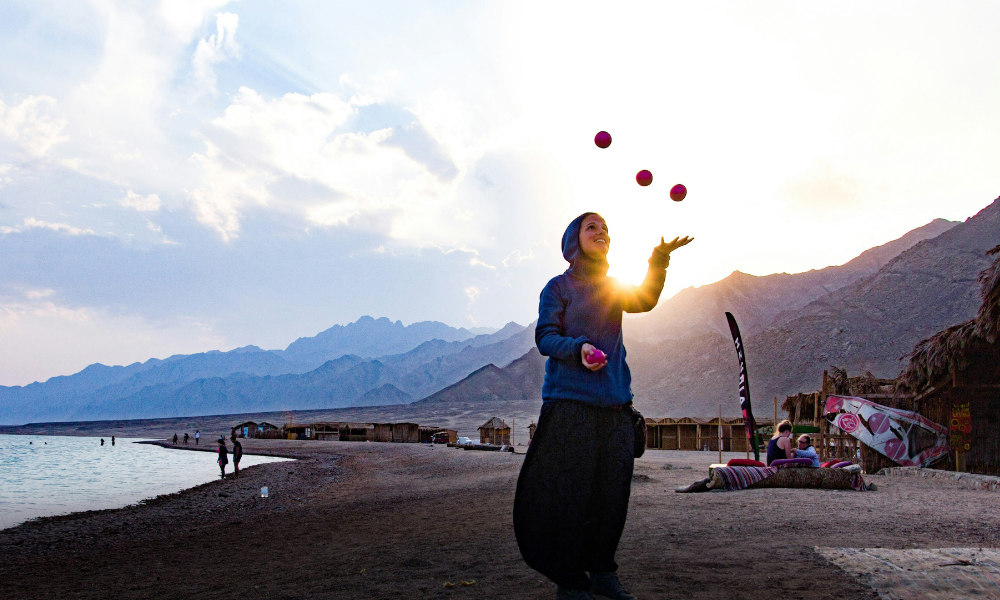
As a caregiver it can feel as though there is a constant juggling act of tasks and responsibilities to manage. The challenges of keeping everything going and the desire not to drop a ball so to speak becomes a daily life circus, but what happens when everything has to drop to manage the task at hand? The emergency or doctors appointment or attention that must be given, requires the caregiver to practice presence and grace for what may need to fall in order to manage the most present need.

Living In The Key Of Self-Love
When your life as a caregiver shifts suddenly—symptoms changing, roles evolving, work hours reduced or lost altogether—it can feel like the ground beneath you has disappeared. The mind tries to regain control by racing ahead, spinning stories, searching for certainty where there may be none. And yet, this is the moment to come back to your body. To anchor. To steady yourself in what is actually here. Caregiving, especially in the context of Rare disease, asks you to live with ongoing uncertainty. The most sustainable way through is not by figuring everything out, but by placing one foot in front of the other and returning, again and again, to the present moment.
The Healing Power of Community for Rare Disease Caregivers
Discover how caregiver community support can reduce isolation, provide emotional validation, and enhance resilience for those caring for loved ones with rare diseases.

Buckets of Gratitude
Caregiving has a way of narrowing your focus to what’s urgent, what’s broken, and what still needs to be fixed. The daily rhythm can become transactional—appointments, medications, meals, logistics, survival. And yet, within all of that, there is still a relationship breathing underneath the tasks. There is still love. Gratitude invites you to shift your attention, even briefly, from what’s not working to what is. When you begin to look for the good in your partner and the people supporting you, you start to feel the sincerity of their efforts and the purity of their intentions. What you focus on grows. So be intentional. The seeds you plant—your thoughts, your words, your attention—are shaping the garden of your relationships every single day.
What Is Sustainable Caregiving?
Caregiving asks a lot of you. Whether you’re supporting a child, a partner, a parent, or another loved one, your days can quickly become centered around someone else’s needs. In this week’s Women’s Empowerment Circle, we explored what it means to make caregiving sustainable. The question we began with was simple: what is self-care? It’s not a luxury or something you get to later, it’s the foundation that allows you to keep showing up.

The Long & Winding Road of Caregiving
Caregiving asks more of you than most people will ever fully understand. You are living inside a medicalized rhythm—appointments, tests, waiting rooms, and often more questions than answers. When there is no clear diagnosis, or when the path ahead is uncertain, the emotional weight can feel relentless. Fear, grief, anger, exhaustion—all of it rises. The real question becomes: how do you stay with what is here without becoming overwhelmed? It begins with allowing your experience to be real and acknowledging, “this is hard,” then, letting that felt-sense truth have space.

Rolling The Dice: Navigating PTSD and CTSD
This week in our Women’s Empowerment Circle, we explored something many raregivers quietly carry: the experience of losing yourself in caregiving. When your days are shaped by the needs of your Rare child, it can become easy to move away from your own center. The possibility is to stay connected to yourself as your life becomes consumed by caregiving. We reflected on simple practices that help anchor you: returning to the breath, pausing, engaging in prayer or meditation, and gently guiding your mind toward what is good. We spoke about MOGS—moments of grace—and the discipline of noticing beauty, joy, and blessing, even in the midst of uncertainty.

Saying the Hard Things
In this week’s Women’s Empowerment Circle, we talked about something many raregivers face, having the hard conversations. When you are caring for someone with a Rare disease, difficult topics inevitably arise. You may find yourself speaking with an aging parent about end of life, with a partner about the progression of illness, or even facing the unimaginable possibility of losing a Rare child before you. These conversations carry deep emotional weight, and avoiding them rarely makes them easier. What helps is approaching them with steadiness, compassion, and courage.

Standing in the Storm
This week, we explored what it means to embrace our feelings, especially the ones that feel like a storm rolling in without warning. As raregivers, you are often asked to stand at the edge of the unknown, peering into the abyss of not knowing as you contemplate the possible loss of your Rare child or Rare partner. That is not a small thing. The question becomes: how do you meet your own grief and anticipatory grief without being swept away?
Team Play Begins With You 𓆩♡𓆪
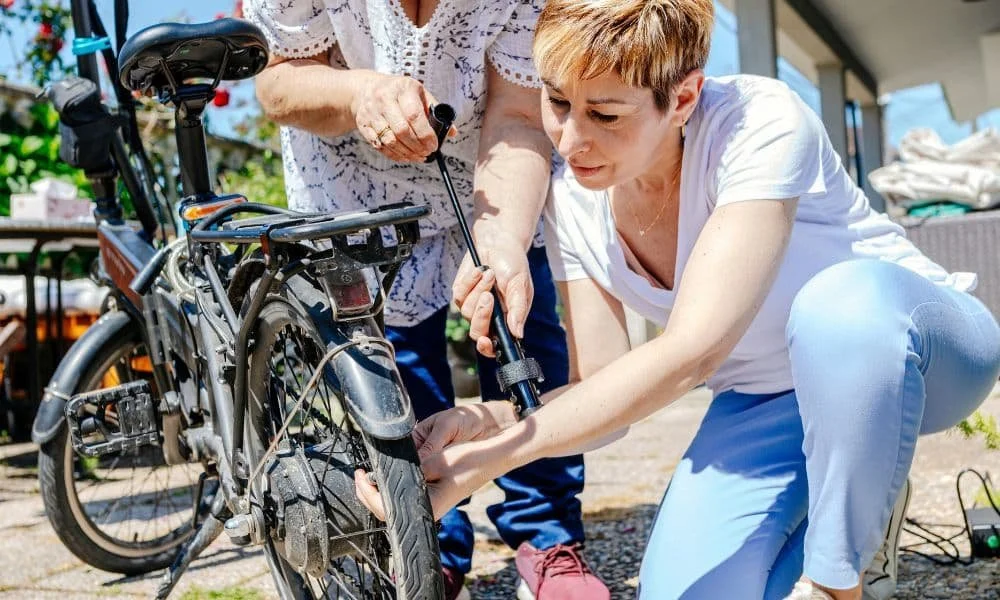
In this week’s Women’s Empowerment Circle, we explored team play and the importance of creating a communication toolkit so you can be a skillful, grounded team player. For Raregivers, this begins with honoring yourself and your needs. A good team player collaborates, delegates, appreciates, and practices self-acknowledgement. I invite you to try a simple daily ritual: sit for three minutes and ask out loud, What am I doing well? Acknowledge not only what you did, but how you showed up. Were you patient, courageous, steady, honest? When you receive the quality of your presence, not just your productivity, your inner landscape shifts from pressure to support.
Raregivers 100 — Nonprofit Leaders & Global Advocates
The Raregivers 100 honorees in the Nonprofit Leaders & Global Advocates category are driving change at both the systemic and human levels of rare disease.
These leaders build organizations, influence policy, advance research, and shape global conversations while often drawing on lived experience as patients, parents, or caregivers.
Their work extends beyond individual diagnoses to strengthen the entire rare disease ecosystem and ensure that families are seen, supported, and included across healthcare, education, and society.
Through persistence and purpose, they transform personal urgency into collective impact, demonstrating how advocacy can move systems, mindsets, and lives.
Every Mother Carries Something Unseen
Motherhood carries invisible weight, especially for rare disease moms. This Mother’s Day, recognize the unseen labor, grief, and love caregivers hold.
You Have Needs
This week in our Women’s Empowerment Circle, we talked about recognizing that you have needs. As a raregiver, it’s important to include yourself on your list and remember, you matter. Period. You might begin by looking at what you are already doing for yourself on a daily basis and practicing a healthy dose of self-acknowledgement. It can be useful to create a ta-da list versus a to-do list. A ta-da list names what you have already done, giving you a place to pause and recognize your effort, which feels very different from a to-do list that can quickly become overwhelming.

STAY IN TOUCH
Sign up & receive updates about our community!