
What Happens Inside a Raregivers Support Group
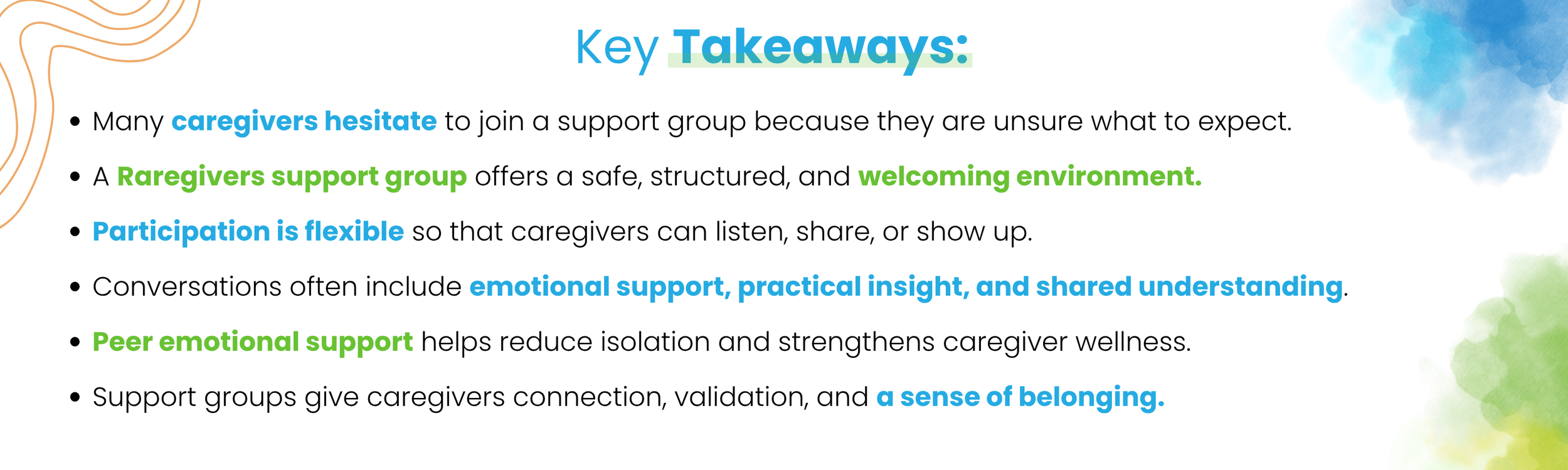
For many rare disease caregivers, the idea of joining a support group can feel intimidating. Even when the need for connection is strong, hesitation is completely natural.
Some caregivers worry about being vulnerable and sharing deeply personal experiences with people they have never met. Others are unsure what participation actually looks like. Will they be expected to speak? Will it feel overwhelming?
Time is another concern. Caregiving is already demanding, and committing to a recurring group can feel like one more responsibility.
There’s also a common misconception that a caregiver support group is only for those in crisis, rather than a space for ongoing caregiver wellness and connection.
The truth is that most hesitation comes from not knowing what to expect, and that uncertainty can make something supportive feel daunting.
What a Raregivers Support Group Actually Looks Like
A rare disease support group through Raregivers is designed to feel anything but overwhelming.
Groups are typically small, creating a welcoming, intimate environment where caregivers feel comfortable. Conversations are guided by a trained facilitator who helps maintain structure while allowing space for natural dialogue.
Participation is flexible. Some caregivers choose to share openly, while others listen. Both are equally valid ways to engage. There is no pressure to contribute before you are ready.
Sessions may be held virtually or in person, depending on availability, making it easier to access support regardless of location.
How Conversations Naturally Unfold
If you sit in on a session, you would notice that conversations feel both guided and organic.
Most groups begin with a simple check-in or prompt.
This serves as an invitation for participants to share how they are doing. From there, discussions evolve naturally based on what caregivers are experiencing in real time.
One caregiver might talk through a recent update on a diagnosis. Another may share the challenges of balancing caregiving with daily responsibilities. Someone else might celebrate a small but meaningful win.
Throughout the conversation, moments of empathy, validation, and encouragement naturally emerge. There is often a balance between emotional expression and practical insights, as caregivers exchange both feelings and lived experience.
The Role of Peer Emotional Support
At the heart of every rare caregiver community is something deeply powerful: peer emotional support.
Hearing "you are not alone" from someone who truly understands carries a different weight than hearing it from someone outside the experience. There is an unspoken connection between caregivers navigating similar realities.
Over time, trust builds within the group. Caregivers begin to feel seen, heard, and understood in ways they may not experience elsewhere.
This shared understanding helps reduce feelings of isolation, which is one of the most common challenges in caregiving.
What Caregivers Gain From Attending
While emotional support is central, the benefits of joining a caregiver support group extend far beyond a single conversation. They contribute to overall well-being and long-term resilience.
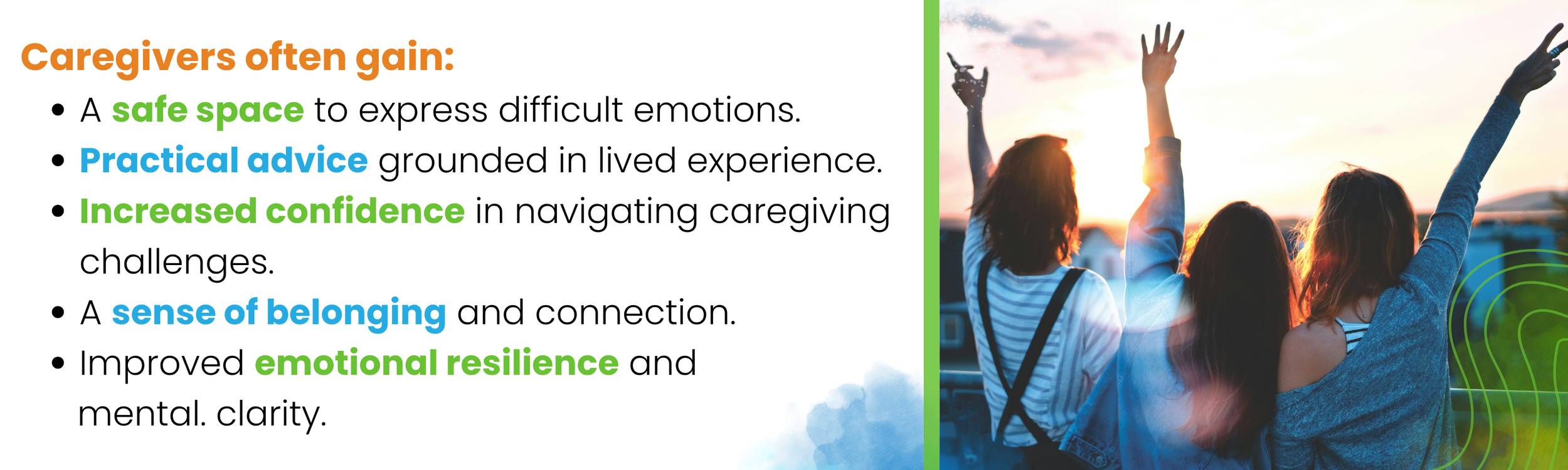
Caregivers often gain:
A safe space to express difficult emotions.
Practical advice grounded in lived experience.
Increased confidence in navigating caregiving challenges.
A sense of belonging and connection.
Improved emotional resilience and mental clarity.
These benefits do not always happen instantly, but they build over time with consistent participation, creating both immediate relief and lasting strength.
What You Don't Have to Do in a Support Group
One of the biggest misconceptions about support groups is the pressure to participate in a certain way. In reality, the experience is designed to meet caregivers where they are.
You do not have to:
Share before you are ready.
Have answers or solutions.
Compare your experience to others.
Attend every session.
Whether you speak, listen, or show up, your presence is enough.
How Raregivers Creates a Safe and Supportive Environment
Raregivers intentionally create a space that feels emotionally safe and genuinely supportive.
Each session is guided by experienced facilitators who help foster respectful, inclusive conversations.
The structure is thoughtful, ensuring that discussions remain balanced and supportive rather than overwhelming.
The community is inclusive across conditions and caregiving experiences, reinforcing that every caregiver's journey is valid.
Beyond the support group itself, participants are also connected to a broader network of resources and community support.
Taking the First Step Toward Connection
Joining a rare disease support group can feel like a big step, and it is okay to feel uncertain.
Instead of viewing it as another obligation, it can help to reframe participation as self-care.
You do not have to commit to sharing or attending regularly right away. You can start by simply showing up and listening.
With virtual options and ongoing sessions, support is accessible and flexible, designed to fit the realities of caregiving.
A Space Where You're Understood
Caregiving can often feel isolating, but it doesn’t have to be.
In a rare caregiver community, there is space to be seen, heard, and understood without explanation or judgment. Support groups offer more than conversation.
They provide connection, validation, and relief.
You do not have to navigate this journey alone.
How to Join a Raregivers Support Group
Connect with people who truly understand what you’re going through.
Find strength in shared experiences, gain emotional support that lasts, and step into a community where you don’t have to carry it all alone.
Browse our support groups here and find the one that meets you where you are.
