
The Hidden Mental Health Crisis Among Caregivers

Caregiving is often described as an act of strength, and it is. But behind that strength is something far less visible: a growing mental health burden that many caregivers carry quietly.
For those supporting loved ones with rare, chronic, and complex conditions, the emotional weight builds over time, shaped by uncertainty, responsibility, and the pressure to keep going no matter what.
During this Mental Health Awareness Month, let’s take time to acknowledge this reality. Because caregiver mental health is not separate from care: It’s what makes care sustainable.
The Strength Caregivers Show and What Often Goes Unseen
Caregivers are often expected to stay strong, to manage what comes, and to keep showing up regardless of how much they are carrying.
That expectation can leave little room to acknowledge the emotional toll behind it.
Much of caregiving unfolds in ways others rarely witness, from the constant decision-making to the steady awareness and emotional weight of holding both hope and uncertainty at once.
Because this work remains largely unseen, the challenges caregivers face are often misunderstood, minimized, or overlooked.
Understanding the Emotional Toll of Caregiving
Caregiving is not only physical. It is deeply emotional and psychological.
The stress is ongoing, shaped by uncertainty around diagnosis, treatment, and long-term outcomes.
For caregivers, this uncertainty can feel even more intense due to limited information and resources.
There is also the responsibility of advocacy. Navigating healthcare systems, asking the right questions, and ensuring that a loved one receives the care they need requires constant attention.
At the same time, caregivers are balancing personal lives, work, relationships, and their own needs, often placing themselves last.
Recognizing the Signs of Caregiver Burnout
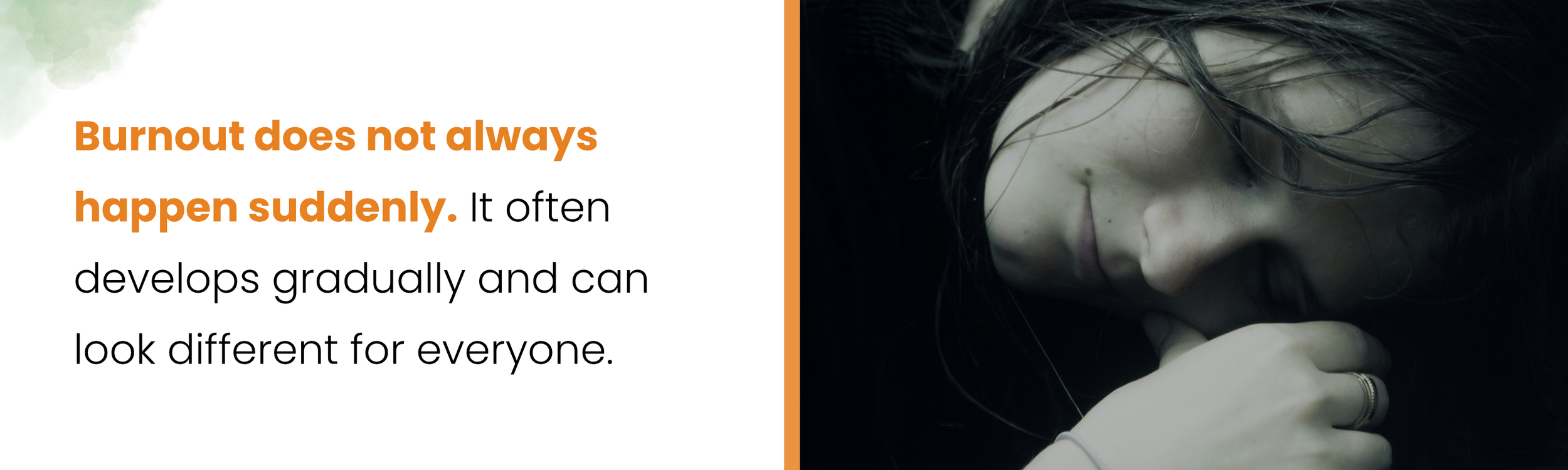
Some common signs of caregiver burnout include:
Persistent exhaustion, both emotional and physical.
Feelings of overwhelm, anxiety, or depression.
Irritability or emotional withdrawal.
Loss of identity outside of caregiving.
Difficulty concentrating or making decisions.
Recognizing these signs isn’t a sign of weakness. It’s an important step toward understanding what you may need, and simply taking care of yourself.
Why Caregiver Mental Health Is Often Overlooked
Caregiver mental health is frequently deprioritized, both systemically and personally.
Healthcare systems tend to focus on the patient, often leaving caregiver wellbeing unaddressed. At the same time, caregivers may feel guilt around prioritizing their own needs.
There’s also a lack of accessible mental health resources designed specifically for caregivers, particularly in rare disease communities.
Research on caregivers of people with rare diseases found that families often report limited psychological support, difficulty accessing appropriate care, and a need for support that recognizes the unique emotional, practical, and diagnostic challenges of rare disease caregiving.
Without mental health support that reflects the unique realities that caregivers face every day, many are left trying to process exhaustion, grief, fear, and isolation on their own.
The Impact of Unaddressed Stress on Long-Term Wellbeing
When caregiver mental health goes unsupported, taken for granted, or forgotten about, the effects extend beyond emotional strain.
Chronic stress can increase the risk of long-term health challenges, including fatigue and burnout-related conditions.
Over time, emotional exhaustion can affect how caregiving is experienced, making it harder to sustain the level of care required.
Relationships may also feel the strain, both personally and within caregiving dynamics.
You Are Not Alone: The Role of Support and Connection
Even though caregiving can feel isolating, support exists, and it can make a meaningful difference.
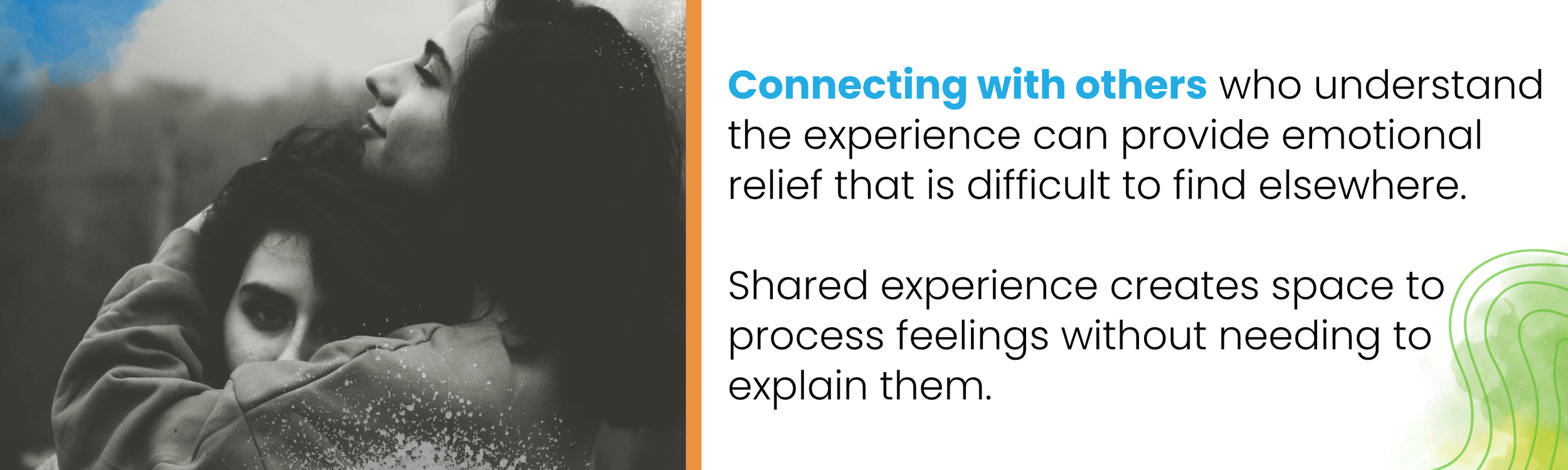
Connecting with others who understand the experience can provide emotional relief that is difficult to find elsewhere. Shared experience creates space to process feelings without needing to explain them:
You can explore support through Raregivers’ weekly support groups.
You can also learn more about how caregiving evolves emotionally through our Emotional Journey Map.
Not every kind of support feels right for every caregiver. Maybe a live support group feels like too much right now. Maybe an emotional journey map doesn’t feel like your way of processing what you’re carrying.
If sharing your story publicly feels more natural, our #TheRareTruth campaign is another way to be heard and help other caregivers feel less alone.
Participating is simple:
Name the feeling, experience, or truth you’ve been carrying quietly.
Share it on any social media platform using #TheRareTruth.
Your words don’t have to be polished or perfect. They just have to be honest. Somewhere, another caregiver may read them and finally feel understood.
Accessing Immediate Support When You Need It
Sometimes caregiving can feel like too much to carry in one moment. When that happens, you do not have to talk yourself out of needing support or wait until things feel “bad enough” to reach out.
If you’re feeling overwhelmed, anxious, isolated, or unsure what to do next, Crisis Text Line is available for free, 24/7, confidential support by text. You can text RARE (EN) or RARAS (ES) to 741741 to connect with a trained crisis counselor in real time.
This resource is available for caregivers and individuals in rare, chronic, and complex disease communities who need someone to be there in a difficult moment.
You can also explore additional caregiver-focused resources whenever you need them most. Support doesn’t make the hard parts disappear, but it can give you a safe place to breathe, process your feelings, and remember that you do not have to carry everything alone.
Prioritizing Your Mental Health as a Caregiver
Taking care of your mental health isn’t separate from caregiving. It’s part of sustaining it.
Reframing self-care as essential rather than optional can shift the way caregivers approach their well-being.

This can begin with small, consistent actions:
Checking in with how you’re feeling.
Taking short moments to pause and reset.
Reaching out for support when needed.
Allowing space for your own needs to exist.
Over time, these steps can create a meaningful impact.
You’re Caring for Someone Else. Who’s Caring for You?
Mental Health Awareness Month is a reminder that caregivers are not only part of the care team. You’re a person, too. A person with emotions, limits, needs, and a life that deserves care alongside everyone else’s.
Showing up day after day takes love, strength, focus, and resilience. But even the strongest caregivers are not meant to carry everything without support. Over time, the emotional weight can build quietly, especially when there is little room to pause, process, or say, “I need help.”
Your well-being matters. Not after everything else is handled. Not only when you reach a breaking point. Right now.
Caregiving should not require you to disappear inside the responsibility of caring for someone else. Naming what you are carrying, reaching for support, and making space for your own needs are not signs that you are falling short.
They’re part of what makes caregiving more sustainable, more human, and less lonely.
If you need support, you don’t have to figure it out on your own. You can connect with others who understand, explore resources, or take one small step toward support here.
This can begin with small, consistent actions:
Checking in with how you’re feeling.
Taking short moments to pause and reset.
Reaching out for support when needed.
Allowing space for your own needs to exist.
Over time, these steps can create a meaningful impact.
You’re Caring for Someone Else. Who’s Caring for You?
Mental Health Awareness Month is a reminder that caregivers are not only part of the care team. You’re a person, too. A person with emotions, limits, needs, and a life that deserves care alongside everyone else’s.
Showing up day after day takes love, strength, focus, and resilience. But even the strongest caregivers are not meant to carry everything without support. Over time, the emotional weight can build quietly, especially when there is little room to pause, process, or say, “I need help.”
Your well-being matters. Not after everything else is handled. Not only when you reach a breaking point. Right now.
Caregiving should not require you to disappear inside the responsibility of caring for someone else. Naming what you are carrying, reaching for support, and making space for your own needs are not signs that you are falling short.
They’re part of what makes caregiving more sustainable, more human, and less lonely.
If you need support, you don’t have to figure it out on your own. You can connect with others who understand, explore resources, or take one small step toward support here.
