
Caregiver Crisis Support: Recognizing When the Weight Becomes Too Much
Caregiving often begins with a willingness to help someone you love through a difficult season.
But over time, that responsibility grows heavier, especially for families living with rare, chronic, and complex conditions.
Many caregivers become used to (and fall into the trap of) functioning through exhaustion, because the day-to-day demands leave little room to stop and process what they’re carrying emotionally.
Then, gradually or all at once, the pressure begins to feel different. What once felt manageable begins to feel impossible to hold together.
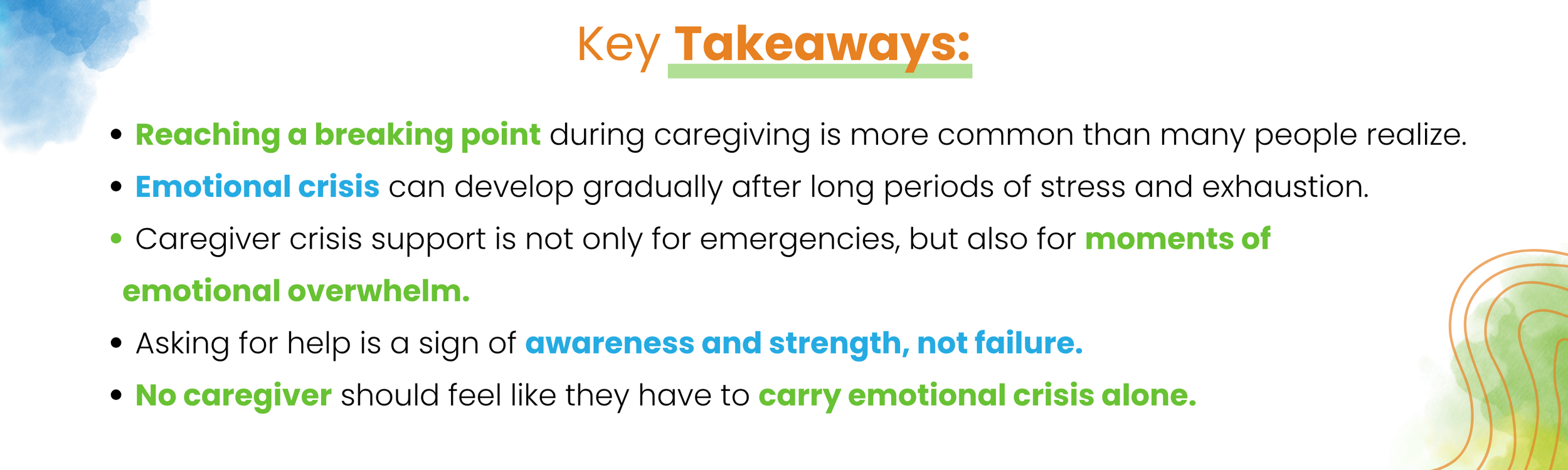
This is where caregiver crisis support becomes essential, not because caregivers are failing…but because prolonged emotional strain affects even the strongest people…and that’s normal.
Many caregivers look for spaces where emotional experiences are discussed openly through shared stories and reflection, especially during moments when isolation begins to feel overwhelming.
And that’s exactly what we’re going to discuss in this article.
Recognizing the Signs of an Emotional Crisis

Stress may feel exhausting, frustrating, or emotionally draining, but a crisis often creates a deeper sense that your ability to cope has been disrupted. It can become difficult to think clearly, regulate emotions, or continue carrying responsibilities in the same way as before.
For many caregivers, emotional crisis develops gradually after long periods of interrupted sleep, emotional suppression, constant vigilance, and the pressure to remain steady for everyone else.
Some signs may include:
Persistent anxiety, despair, or emotional shutdown.
Withdrawal from friends, family, or support systems.
Feeling unable to cope with daily responsibilities.
Emotional numbness or disconnection.
Persistent overwhelm that does not improve with rest.
Moments like these deserve attention, compassion, and caregiver mental health help rather than judgment.
Recognizing these signs early creates more space for support before emotional exhaustion deepens further.
Why It Can Be Hard to Ask for Help
Many caregivers struggle to ask for help…even when they know they need it.
“Peer support groups and advocacy communities often become lifelines because they provide something many patients struggle to find in clinical settings: validation, understanding, and hope,” says Founder & CEO of Vindicara Nicole Notar, when asked in an interview about her views on the current state of caregiver support.
And another part of that difficulty comes from the emotional identity caregiving can create over time: Caregivers often become the steady person everyone else relies on, which can make vulnerability feel uncomfortable or even frightening.
There can also be guilt attached to acknowledging emotional limits. Some caregivers worry that asking for support means they are not coping well enough, while others fear burdening family members who are already under stress themselves.
Over time, this “always strong” mindset can make emotional crisis feel isolating because caregivers continue carrying everything internally long after support is needed.
Conversations around mental wellness as essential healthcare continue helping caregivers understand that emotional well-being is not separate from caregiving itself.
Asking for help does not diminish strength. In many cases, it is one of the clearest signs that a caregiver recognizes their own well-being matters, too.
Immediate Action: The Crisis Text Line

During those moments, caregivers don’t always need a perfect solution. Often, they simply need someone safe to talk to before the emotional weight becomes too much to carry alone.
Text RARE (EN) or RARAS (ES) to 741741.
This confidential, text-based support service connects caregivers with a trained Crisis Counselor who can help during moments of stress, emotional overwhelm, panic, grief, or caregiver burnout crisis.
But most importantly, caregiver crisis support is not limited to life-threatening emergencies. An emotional crisis can include moments where exhaustion, fear, anxiety, or emotional shutdown begin affecting a caregiver’s ability to cope steadily and safely.
Reaching out during those moments can help interrupt isolation before the situation becomes even heavier emotionally.
Moving from Crisis to Ongoing Support
Immediate support matters, but long-term emotional well-being also requires ongoing connection.
Many caregivers move through a cycle where emotional exhaustion leads to isolation, and isolation then deepens burnout even further. Without regular emotional support, caregivers can begin feeling disconnected from themselves and from the people around them.
That is why peer support matters so deeply within caregiver communities.
Being able to speak openly with people who understand the lived realities of caregiving can reduce shame, normalize emotional experiences, and help caregivers feel less alone during difficult periods.
Guidance around emotional crisis caregivers continues to reinforce the importance of emotional support and long-term stress management for caregivers.
For caregivers seeking ongoing support and shared understanding, our weekly support groups create space for reflection, conversation, and connection grounded in lived experience.
Creating a Personal Support Plan
An emotional crisis can feel overwhelming, partly because caregivers are often forced to make decisions while already emotionally depleted.

A support plan may include:
Identifying trusted friends, family members, or support contacts.
Saving caregiver support hotline numbers in advance.
Establishing grounding or calming routines that help regulate stress.
Setting boundaries around rest, communication, and responsibilities where possible.
Preparation reduces the friction of asking for help during difficult moments because caregivers already know where support exists and how to access it.
Caregiver stress help becomes more accessible when emotional support is treated as part of an ongoing routine rather than something reserved only for emergencies.
You Are Not Weak for Needing Support
Caregiving can sometimes create the feeling that you must continue carrying everything quietly…no matter how heavy it becomes.
But an emotional crisis does not mean you’re weak, incapable, or failing the people you love. It means you are human, and human beings are not meant to carry prolonged emotional strain alone.
Caregiver crisis support exists because emotional well-being matters not only for caregivers themselves, but for the health and stability of entire families.
At Raregivers, emotional well-being remains central to the belief that sustainable care requires sustainable caregivers. Reaching out for support is a courageous step toward protecting your own well-being and creating more sustainable care for the people who depend on you.
If you’re feeling overwhelmed, support is available now. Text RARE or RARAS to 741741 to connect with Crisis Text Line, or explore our caregiver resources here.
