
Caregiver Awareness Month: Normalizing Vulnerability Beyond the Strong Caregiver Story
64% of family caregivers report moderate to high emotional stress, while 1 in 4 feels completely alone. During National Family Caregivers Month this November, Raregivers is normalizing vulnerability and encouraging more honest caregiver conversations.
If you’re a caregiver, you’ve probably heard people describe you as strong, resilient, or selfless. Those words feel encouraging because they recognize how much patience, love, and responsibility caregiving can require.
But what happens when you don’t feel strong? You may still show up for appointments, manage medications, support your family, and keep daily routines moving while feeling exhausted, frightened, angry, or unsure about what comes next.
National Family Caregivers Month changes that narrative by giving caregiver experiences greater visibility every November.
According to the Caregiver Action Network, more than 80 nonprofit partners and 18 corporate sponsors participated in its 2025 campaign, extending caregiver awareness across healthcare, nonprofit, workplace, and community spaces.
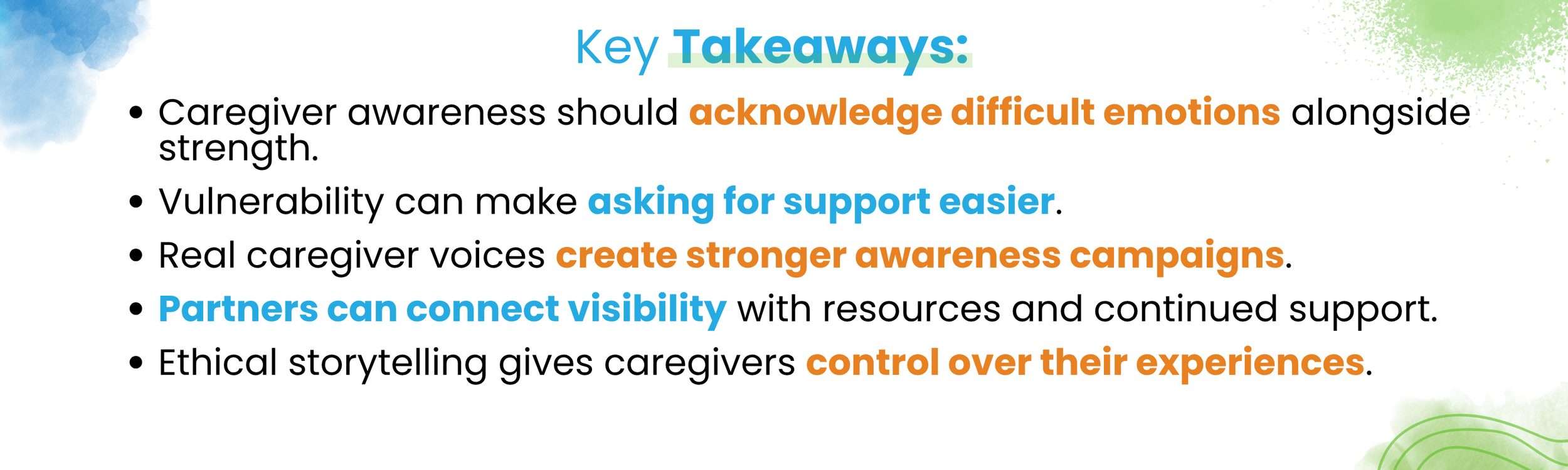
That reach changes the caregiver conversation. Instead of recognizing only how much caregivers endure, such campaigns acknowledge what the experience can cost emotionally and why asking for support shouldn’t feel like failure.
Whether you’re a caregiver, advocate, funder, partner, or creative collaborator, the way you talk about caregiving can influence how safe someone feels being honest.
Because awareness is only the beginning. Vulnerability and authentic storytelling can turn awareness into deeper understanding…and understanding into practical support.
Awareness Must Go Beyond Recognizing Caregivers
National Family Caregivers Month is observed each November to recognize caregivers, raise awareness, educate communities, and increase support, according to the Administration for Community Living.
Recognition is important, but another message thanking caregivers for being strong won’t always address what they need.
If you’re a caregiver struggling with grief, uncertainty, exhaustion, or guilt, praise can feel incomplete when nobody asks how you’re coping.
Why Caregivers Feel Pressure to Appear Strong
When your family depends on you, admitting that you’re struggling may feel harder than continuing quietly. You may be arranging appointments, talking with doctors, and reassuring relatives while processing your own emotions.
Guilt can make that honesty even harder. You may question whether your tiredness, anger, or fear deserves attention when someone you love is facing a serious condition.
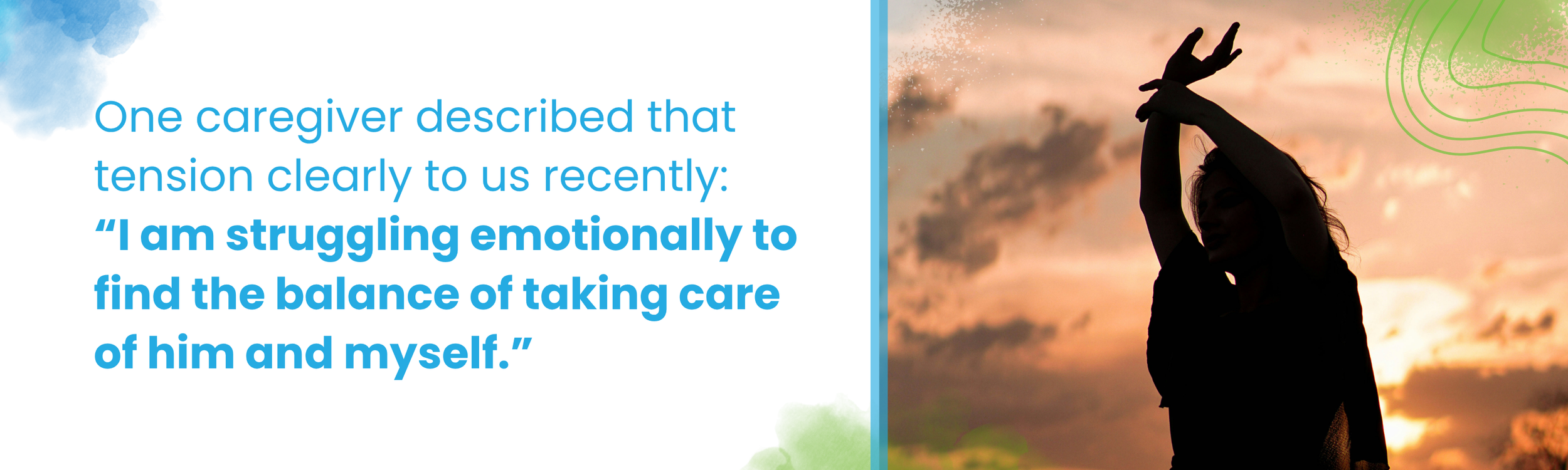
Being honest about emotional strain doesn’t reduce your commitment. It helps others understand where support may be needed, while keeping those emotions private can leave you increasingly alone.
Vulnerability Can Make Caregiving More Sustainable
Vulnerability doesn’t require sharing every emotion with everyone. Sometimes, it simply means recognizing what you’re feeling and saying when something has become difficult.
You may need to say, “I’m tired,” “I’m scared,” or “I need help with this.” Love and exhaustion can exist together, just as hope can exist alongside fear.
Accepting that complexity can make it easier to recognize when you need support. Vulnerability isn’t the opposite of resilience; it can stop resilience from becoming an expectation that you must handle everything alone.
Our weekly support groups give you a place to express those feelings with others who can empathize.
Why Real Community Voices Matter
A polished campaign message can start a conversation, but it can’t replace lived experience.

That reflection shows why vulnerability should lead somewhere useful. After someone speaks honestly about exhaustion, fear, or uncertainty, they often need connection with people who understand.
Community voices can show:
What constantly appearing strong can cost emotionally
Why asking for help may feel uncomfortable
How relief can come from speaking honestly
Why community connection can change caregiving
The experiences behind every caregiver’s Rare Truth also remind us that sharing isn’t always easy. Privacy concerns and limited emotional energy can shape whether someone feels ready to tell their story.
Partner Amplification Can Extend the Conversation
A caregiver may see one PSA, relate to it, and feel understood for a moment. Partners can help ensure the conversation doesn’t disappear when the campaign ends.
Healthcare organizations can bring caregiver wellbeing into family conversations. Funders can connect visibility with emotional support programs, while advocates can continue discussing caregiver vulnerability throughout the year.
The Raregivers Coalition Communications Toolkit gives partners shared campaign materials that can extend these conversations. Amplification becomes useful when it directs caregivers toward support and gives partners opportunities to strengthen it.
Telling Vulnerable Stories Responsibly
When someone trusts you with a difficult caregiving experience, that story doesn’t become campaign property.
Responsible storytelling should include:
Clear permission for every story or quote
Control over names and identifying details
Enough context to preserve intended meaning
No use of distress simply to attract attention
Respect when someone chooses not to share
Ethical storytelling protects the person behind the story while creating the trust caregivers need to speak honestly.
From Caregiver Awareness to Tangible Support
Seeing your experience reflected in a campaign can feel reassuring, but recognition should lead somewhere useful. You may need someone who understands, a place to speak honestly, or reassurance that difficult emotions don’t make you a bad caregiver.
Funders and partners can invest in caregiver-centered programs, while families and advocates can make resources easier to access.
Raregivers Support Groups provide spaces for honest conversation with people who understand rare, chronic, and complex disease caregiving.
A Caregiver Shouldn’t Have to Hide to Be Seen as Strong
If caregiving has left you exhausted, frightened, angry, hopeful, grateful, or several of those things at once, you shouldn’t have to hide those emotions to prove your commitment. Recognizing them can help you understand what you need before carrying everything alone becomes your normal.
National Family Caregivers Month can help replace the expectation of constant strength with a more honest understanding of caregiving.
Raregivers is helping create that space through caregiver voices, community connection, and emotional support that recognizes you as a whole person.
Read and sign the Raregivers Manifesto to affirm your right to acknowledge complex emotions, recognize your limits, seek help, and receive support.
Frequently Asked Questions About Caregiver Awareness Month and Vulnerability
When is National Family Caregivers Month?
National Family Caregivers Month is observed throughout November in the United States.
The annual observance recognizes family caregivers, raises awareness of the challenges they experience, and encourages communities, healthcare organizations, employers, and policymakers to provide more meaningful support.
Although November creates a national moment of recognition, caregivers need understanding, resources, and emotional support throughout the year.
Why should caregiver awareness campaigns discuss vulnerability?
Discussing vulnerability creates a more honest picture of caregiving. It acknowledges that caregivers can experience fear, grief, frustration, guilt, isolation, and exhaustion while remaining deeply committed to the people they support.
When campaigns focus only on strength and resilience, caregivers may feel pressured to hide difficult emotions. Including vulnerability can normalize asking for help and remind caregivers that struggling does not make them weak or less devoted.
How can organizations share caregiver stories responsibly?
Organizations should obtain informed consent, explain how each story or quote will be used, and give caregivers control over names, identifying details, and the experiences they share.
Stories should preserve the caregiver’s intended meaning without exaggerating distress or removing important context.
Whenever possible, caregivers should be allowed to review how their experiences are represented and change their minds without pressure. Ethical storytelling prioritizes the person behind the story, not the campaign built around it.
Do caregivers have to share their stories publicly to participate in Caregiver Awareness Month?
No. Caregivers can participate without publicly sharing personal or sensitive experiences.
They may choose to attend a support group, connect privately with another caregiver, share educational resources, advocate for better support, or simply take time to acknowledge their own emotional needs.
Every caregiver should decide what feels safe and appropriate. Choosing privacy does not make someone’s experience (or their participation) any less meaningful.
How can organizations turn caregiver awareness into lasting support?
Organizations can move beyond temporary recognition by investing in caregiver-centered programs, sharing practical resources, including caregivers in decision-making, and maintaining conversations about caregiver wellbeing throughout the year.
Healthcare organizations can incorporate caregiver needs into family support, funders can strengthen emotional-support initiatives, and community partners can connect caregivers with trusted programs.
Awareness becomes meaningful when it leads to accessible, sustained action.
Make Caregiver Awareness Mean More
Caregivers should not have to appear endlessly strong to be seen, valued, or supported.
This National Family Caregivers Month, help create a more honest caregiver conversation, one that makes room for difficult emotions, respects every caregiver’s story, and connects recognition with real support.
If you’re a caregiver, join a Raregivers Support Group to connect with people who understand.
Support a Raregiver today: https://raregivers.funraise.org/.
If you’re ready to advocate for a more compassionate approach to caregiving, read and sign the Raregivers Manifesto.
