
The Rare Truth Caregivers Wish More People Understood
“A caregiver is often grieving for the person they are looking after. They’re mourning the relationship as it was, while still in the relationship,” says Ann Graham, cancer survivor and Founder of pediatric cancer nonprofit MIB Agents.
“What’s left is a facade of composure and competence. It’s a mutual pretending that neither party is able to put their finger on, and if they could, they likely wouldn't.”
Caregiving is often viewed through visible moments such as appointments, medications, hospital visits, and daily medical routines.
What many people do not see is the emotional and mental weight caregivers continue carrying long after those moments end.
Rare disease caregiving affects nearly every part of daily life, shaping routines, relationships, finances, emotional well-being, and the ability to rest without worry.
Families navigating rare and complex conditions often navigate uncertainty that can last for years. Many caregivers balance advocacy, emotional support, financial pressure, and constant decision-making while still trying to create stability for the people they love.
According to the National Alliance for Caregiving, many family caregivers report high levels of emotional stress connected to long-term caregiving responsibilities, particularly when care involves chronic or medically complex conditions.
These realities are part of the rare disease caregiver challenges many families experience quietly every day, even when very little of that emotional weight is visible to the outside world.
This article explores the truths caregivers wish more people understood, not to inspire sympathy but to encourage greater empathy, stronger caregiver advocacy, and deeper awareness of rare diseases across communities.
What Most People Don’t See About Caregiving
Caregiving extends far beyond appointments and medical responsibilities. Much of the work happens quietly through emotional labor, constant vigilance, advocacy, coordination, and the effort required to keep daily life functioning during uncertain circumstances.
Even during calm moments, many caregivers remain mentally alert and emotionally stretched because they are always thinking about what comes next.
Many rare disease caregiver challenges exist within ordinary moments that outsiders rarely notice. Interrupted sleep, emotional suppression, fear about the future, and the pressure to continue functioning while emotionally exhausted become part of everyday life for many families.
Caregivers often become responsible for coordinating information, managing treatments, supporting emotional well-being within the household, and adapting continuously to changing medical realities.
That invisible responsibility can become difficult to explain to people who have never lived inside the caregiving experience themselves. Because so much of caregiving happens quietly, caregivers can begin feeling unseen even while carrying enormous emotional and practical responsibilities every single day.
The Emotional Complexity Behind Daily Caregiving
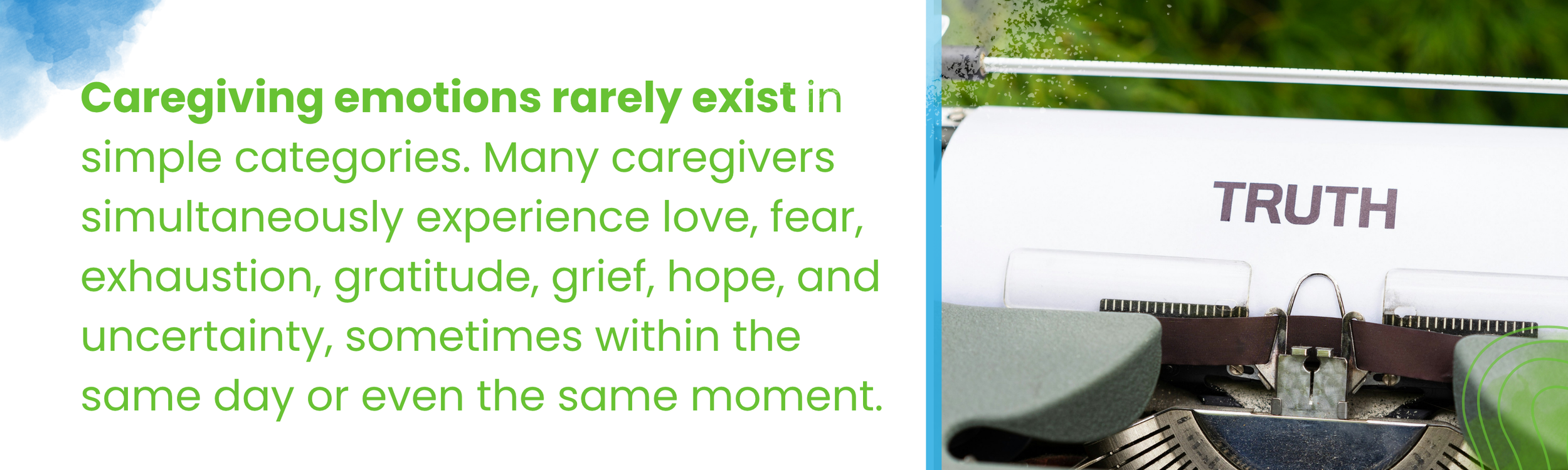
The caregiver's emotional reality often involves continuing daily responsibilities while privately processing fear about treatments, uncertainty about the future, or grief connected to how life has changed over time.
At the same time, caregivers continue showing up because love and responsibility remain deeply connected within the caregiving experience.
That emotional balancing act can feel isolating when caregivers feel pressure to remain consistently strong for the people who depend on them.
Many suppress their own emotions simply because there never seems to be enough room to pause and fully process them.
The Rare Truths Caregivers Wish Others Understood
Although every caregiving experience is different, many caregivers describe emotional truths that feel surprisingly similar across communities and conditions. These reflections are not dramatic statements meant to seek attention.
They are honest realities caregivers often carry quietly while continuing to move through daily responsibilities.
Some of those truths include:
“I’m tired in ways that are hard to explain.”
“I can love someone deeply and still feel overwhelmed.”
“Support means more than people realize.”
“I don’t always have the answers.”
“Being seen and understood matters.”
These truths reveal how caregiver struggles often involve emotional realities that remain invisible unless caregivers feel safe enough to express them honestly.
Listening to these experiences without judgment creates stronger empathy, deeper understanding, and more compassionate support systems for families carrying significant emotional responsibility every day.
Why Awareness and Advocacy Matter
Greater awareness creates stronger and more compassionate communities. When people better understand the realities caregivers face, conversations around emotional wellbeing, healthcare access, sustainability, and support systems become more informed and more human-centered.
That is why caregiver advocacy matters beyond policy discussions alone. Advocacy also happens through storytelling, visibility, and creating space for caregivers to speak honestly about their lived experiences.
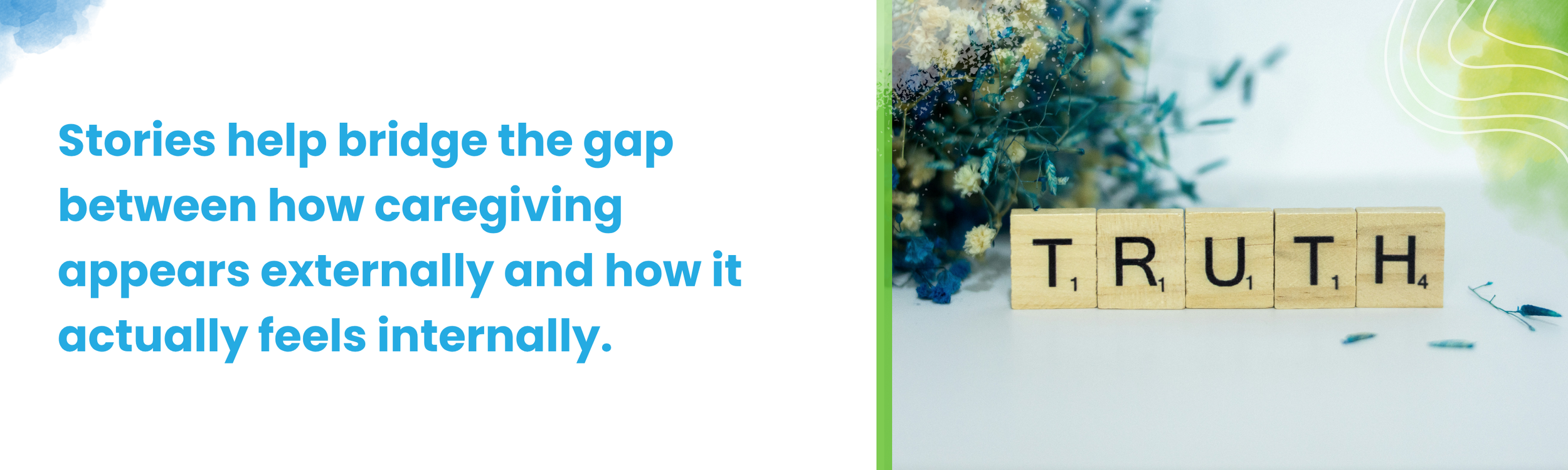
As more caregivers share their experiences openly, rare disease awareness continues to expand beyond medical terminology to encompass a fuller understanding of how families are emotionally affected over time.
Advocacy often begins with something simple, but powerful: listening to lived experience with empathy and openness.
The Strength and Resilience Caregivers Carry
Caregivers rarely describe themselves as resilient during difficult moments. Yet resilience often develops quietly through adaptation, persistence, and the ability to continue moving forward despite emotional exhaustion and uncertainty.
That strength does not always look dramatic from the outside. Sometimes resilience looks like getting through another appointment, adjusting to unexpected changes, advocating during difficult conversations, or finding enough emotional energy to continue supporting another person through uncertainty.
Community support also plays an important role in sustaining caregivers over time. According to the World Health Organization, social connection and emotional support contribute significantly to long-term well-being and resilience across communities.
Even in difficult circumstances, caregivers continue to demonstrate extraordinary resilience in ways that often go unseen by those around them.
The Role of Community in Making Caregivers Feel Seen
One of the hardest parts of caregiving can be feeling emotionally alone in an experience that affects nearly every part of life. Community changes that experience by creating spaces where caregivers no longer need to explain every feeling, fear, or frustration in order to be understood.
Shared experience reduces isolation because caregivers recognize pieces of their own emotional reality in other people’s stories. That recognition can feel deeply validating, especially for caregivers who have spent long periods suppressing their emotions simply to continue functioning.
At Raregivers, emotional connection and peer support remain central to creating spaces where caregivers feel seen, heard, and supported through honest conversation and lived experience.
Programs like ourWeekly Support Groups continue to help caregivers build connections, reflect, and find emotional support in community-centered spaces.
Feeling understood can be deeply healing for caregivers carrying invisible emotional weight over long periods.
A Broader Movement to Amplify Caregiver Voices
Caregiver voices are becoming increasingly important within larger advocacy conversations surrounding healthcare, rare disease awareness, and emotional well-being.
Organizations such as Project Alive continue to help increase visibility around rare disease experiences, while advocates like Kristin McKay continue to use storytelling and lived experience to strengthen awareness and community connection.
This broader movement reflects a growing understanding that caregiver perspectives deserve greater visibility within healthcare systems, advocacy work, and public conversations about wellbeing.
Caregiver advocacy becomes more powerful when communities create space for caregivers to speak honestly about the challenges and emotional realities that shape daily life.
At Raregivers, this belief continues shaping conversations focused on emotional connection, peer support, and caregiver visibility.
Caregivers looking for emotional support tools and additional guidance can explore ourRaregivers resource center for ongoing support and emotional wellness resources.
Listening Is One of the Most Powerful Forms of Support
Caregivers do not always need perfect words, immediate solutions, or explanations from the people around them. Very often, what matters most is feeling safe enough to speak honestly and knowing someone is willing to truly listen.
Rare disease caregiver challenges become heavier when caregivers feel invisible in experiences that already carry enormous emotional weight.
Compassionate listening helps reduce that isolation by validating emotions that many caregivers have carried privately for years.
The caregiver's emotional reality deserves understanding, empathy, and space within broader conversations about healthcare, family wellbeing, and community support.
At Raregivers, storytelling, emotional connection, and caregiver advocacy remain central to helping caregivers feel seen rather than overlooked.
Understanding begins when caregivers feel safe enough to tell the truth about their experience.
