
Caregiver Support Hotline and Crisis Resources: Reaching for Help Before the Breaking Point
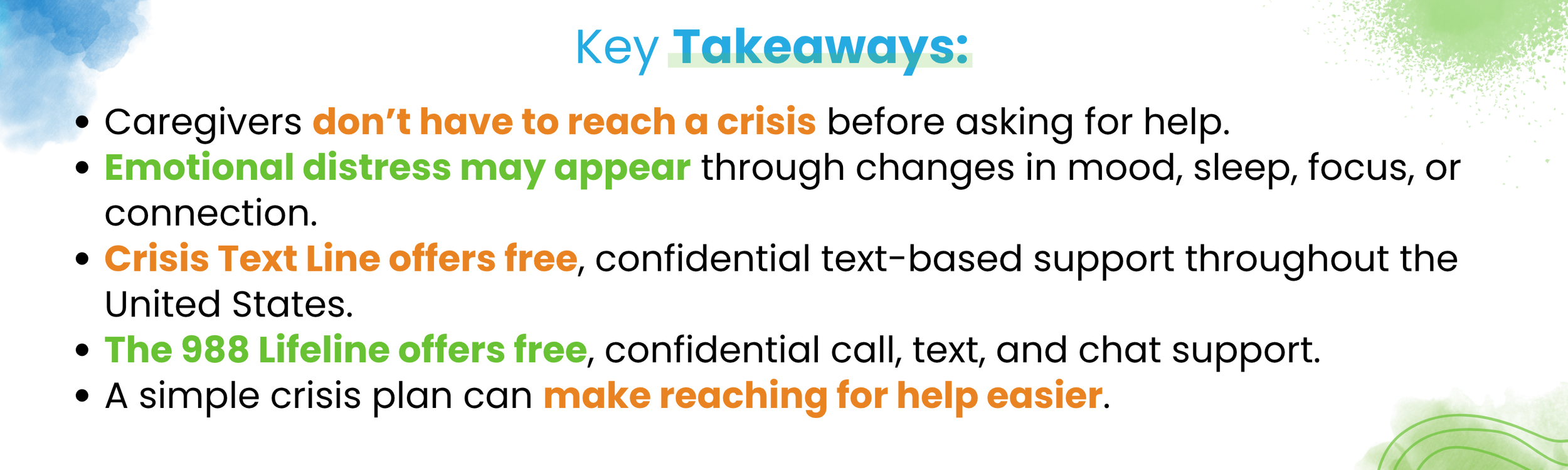
Among 958 rare disease patients and caregivers, 82.4% experienced emotional distress, yet only 30% accessed professional mental health support. Here’s how Crisis Text Line and 988 can help close that gap.
When you spend each day caring for someone else, your own distress can become easier to dismiss. You may tell yourself that you only need sleep, that next week will feel calmer, or that other people have greater needs.
Unfortunately, many caregivers continue carrying that pressure without professional support. A 2025 survey of 958 rare disease patients and caregivers found that 82.4% experienced frequent emotional distress that affected daily life, but only 30% had accessed professional mental health services.
That’s why September’s awareness efforts are so important. Suicide Prevention Awareness Month and World Suicide Prevention Day on September 10 encourage families and support communities to discuss distress, share crisis resources, and help caregivers seek support earlier.
You don't have to wait until life feels unmanageable to learn where support is available. Knowing your options today can make it easier to act when you or someone you care about needs help.
Keep reading to understand when support may be needed, which crisis resources are available, and how families can make reaching out easier.
Caregiver Crisis Support Shouldn’t Start at the Breaking Point
Many caregivers wait until they’re completely overwhelmed before asking anyone for help. They may worry about burdening relatives, frightening the person receiving care, or admitting that caregiving has become difficult.
As a caregiver, you may still be arranging appointments, managing medications, working, and supporting your family while feeling emotionally exhausted.
Because you’re continuing with daily responsibilities, people around you may not recognize how much pressure you’re carrying.

Caregiver crisis support can also include help with panic, grief, loneliness, severe stress, or feeling unable to face another decision.
We discuss these experiences further in recognizing when caregiving pressure becomes too much.
Why Crisis Resources Matter for Caregivers
Caregiving distress isn’t always easy to name while you’re experiencing it. One difficult appointment may lead to an insurance problem, another sleepless night, and a new care decision before you’ve processed the last one.
Family members, facilitators, or close friends may notice changes before the caregiver does. They might see someone withdrawing, losing focus, becoming unusually fearful, or struggling to manage ordinary responsibilities.
A crisis resource creates immediate contact with someone trained to listen and provide support. You don’t need perfect words, and you don’t have to explain the entire caregiving journey before starting the conversation.
Asking for help is a protective action. It gives you another person to speak with when carrying the pressure alone no longer feels manageable.
Signs a Caregiver May Need Support Now
Distress can look different for every caregiver, and it may not appear dramatic from the outside. Here are several changes that may signal someone needs support now:
Feeling unable to cope with another task, appointment, or decision.
Experiencing persistent panic, despair, numbness, or emotional shutdown.
Saying they feel trapped, hopeless, unsafe, or burdensome.
Withdrawing from relatives, friends, or caregiver communities.
Losing sleep, appetite, concentration, or usual daily abilities.
Expressing serious concern about their immediate emotional safety.
One sign doesn’t automatically explain everything someone is experiencing. Still, noticeable changes deserve calm attention rather than dismissal.

Where to Turn: Crisis Text Line and 988
Knowing which resource to use can remove some confusion during a difficult moment. Both options below are free, confidential, and available throughout the United States.
1. Crisis Text Line
Crisis Text Line provides free, confidential, 24/7 text-based support from trained volunteer Crisis Counselors. Texting may feel easier when speaking aloud feels overwhelming, private space is limited, or you need support during anxiety, loneliness, grief, or emotional distress.
Through the Raregivers and Crisis Text Line partnership, caregivers can text RARE (ENG) or RARAS (ESP) to 741741.
2. 988 Suicide & Crisis Lifeline
The 988 Suicide & Crisis Lifeline provides free and confidential call, text, and chat support across the United States and its territories. It supports people experiencing urgent mental health, emotional, substance-use, or safety concerns.
Use 988 when someone may be in immediate danger, feels unable to stay safe, or needs urgent crisis support. A trained counselor will ask about safety, listen without judgment, and help identify appropriate next steps.
How Family Members and Support Communities Can Help
When a caregiver is struggling, vague encouragement such as “stay strong” can make them feel misunderstood because it doesn’t address what they’re experiencing.
A better response is to acknowledge the distress directly, stay calm, and help them connect with immediate support.
Helpful actions include:
Saving 988 and 741741 in shared materials and follow-up messages.
Asking directly whether the caregiver feels safe.
Offering to call or text a crisis service together.
Listening without minimizing, debating, or rushing toward solutions.
Sharing resources before someone has to request them alone.
Keeping ongoing peer connection available after the immediate moment passes.
Our support groups for caregivers provide continued connection after difficult moments. Ongoing peer support doesn’t replace crisis care, but it can reduce isolation and help caregivers speak sooner.
What to Say When Someone Is Struggling
When a caregiver opens up about feeling overwhelmed, the first response can shape what happens next.
You don’t need perfect words to offer meaningful support. Calm, direct language can help someone feel heard while you connect them with trained help.
You might say:
“I’m really glad you told me.”
“You don’t have to handle this alone.”
“You deserve support right now.”
“Can we call or text a crisis resource together?”
“I’m concerned about your safety, and I want to help.”
Your role isn’t to become a crisis counselor. Stay present, reduce isolation, and help the person reach someone trained to provide immediate support.
Building a Caregiver Crisis Plan Before It’s Needed
Knowing what to say is important, but having a plan can make action easier during intense distress. When emotions are overwhelming, even deciding whom to contact may feel difficult.
A caregiver crisis plan can include:
Save 988 and 741741 in your phone.
Identify two trusted people to contact during high-stress moments.
Write down personal warning signs, including withdrawal or disrupted sleep.
Decide which resource to use for emotional distress or urgent safety concerns.
Keep Raregivers crisis information somewhere easy to access.
Ask facilitators to share crisis resources during regular group follow-ups.
Creating a plan doesn’t mean you expect a crisis. It means you’re making support easier to reach if you or another caregiver becomes overwhelmed.
Why This Message Matters During Suicide Prevention Awareness Month
Caregivers may carry intense emotional pressure while still managing appointments, medications, work, and family responsibilities. Because other people continue relying on them, their distress may go unnoticed or remain unspoken.
Suicide Prevention Awareness Month gives families and support communities a reason to discuss warning signs and share crisis information openly.
World Suicide Prevention Day on September 10 also reinforces the importance of helping caregivers reach trained support before they feel unable to cope.
Still, these conversations shouldn’t end when September does. Clear crisis information and compassionate check-ins should remain part of caregiver support throughout the year.
Reaching Out Is a Form of Care
Caregivers often protect everyone else before considering their own emotional safety. However, waiting until the pressure becomes unbearable can make asking for help much harder.
Our mission is helping caregivers and families access clear crisis information, community connection, and trusted support during overwhelming moments. Reaching out can protect the caregiver, the person receiving care, and everyone depending on that relationship.
Take a look at our crisis resources for information about Crisis Text Line and the 988 Lifeline.
If you or someone you love needs support now, text RARE (ENG) or RARAS (ESP) to 741741 to connect with the Crisis Text Line.
For immediate help in the United States, call, text, or chat 988.
