
The Sibling Reality
By Padma Gordon
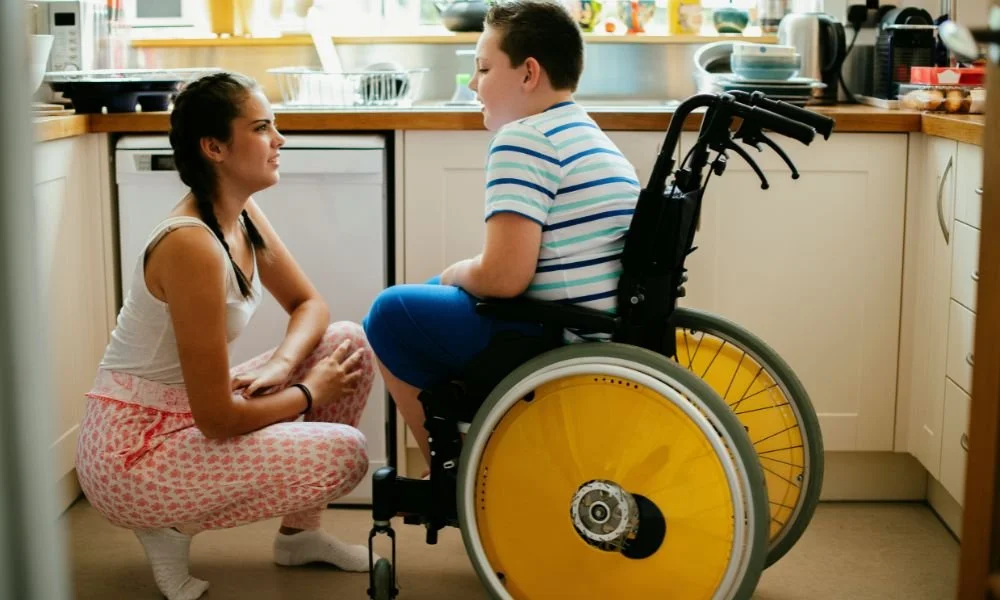
When one child has a Rare disease, the whole family is affected, including the siblings. Neurotypical siblings often learn early that life may not unfold the way it does in other families. Plans get canceled, attention is redirected, and the needs of the child with the Rare disease understandably take center stage.
Over time, a sibling may begin to wonder, Do my needs matter too? Is it okay for me to want or need things? They may feel guilty asking for attention, become fiercely independent, or learn to take care of themselves because they sense that there is already so much on their parents’ plates.
They can grow up quickly, sometimes taking on responsibilities that were never consciously assigned to them. Leaving a neurotypical child at home to care for an adult Rare sibling, for example, can feel like a loving act of family responsibility while also placing a very big burden on that child. And sometimes the impact isn't visible until much later, when that child is an adult and begins to understand just how much their childhood was shaped by their sibling’s needs.
There are also gifts in this experience. These children often become remarkably adaptable and resilient. They learn to roll with uncertainty, develop deep empathy, and understand that life rarely goes exactly according to plan. They may become strong advocates, compassionate friends, and extraordinarily capable adults.
Some develop rich friendships and communities outside the family because they don't have the same kind of sibling relationship that other children experience. But alongside those strengths, there can be grief, anger, loneliness, resentment, or a sense of having missed parts of childhood.
As parents, we can't remove all of this. We can, however, create space for the full range of feelings. We can ask our neurotypical children what it's like for them, listen without becoming defensive, and remind them that their needs matter. Their disappointments matter. Their joy matters. And so do the needs of the child with the Rare disease. There is no perfect way to balance everyone's needs, and we continue to return to the question: What does each person in our family need right now?
And then there is the long view. What happens when we are no longer here to care for our Rare child? Have we talked openly about what adulthood might look like, where our Rare child might live, who will support them, and what role, if any, we hope their siblings will have?
These conversations can be difficult, and having a vision can actually relieve some of the uncertainty and prevent an unspoken expectation from becoming a lifelong burden for a sibling. Perhaps most importantly, we need to offer ourselves compassion as parents. You are raising children in circumstances you never expected, making thousands of decisions with imperfect information, while trying to love and support everyone as best you can.
You will make mistakes. You will wish you had handled something differently. Forgive yourself. If you had known then what you know now, you might have chosen differently. You did the best you could with what you had. And there is still time to listen, to repair, to make room, and to let every child in your family know: You matter here. Your needs matter. Your life matters. And there is room for you, too.
Coming Up On September 8: Saying the Hard Things (Stage 5: How to handle worries about End-of-Life)
Description: We will discuss the different stages of acceptance you go through when family life gets medical. Receiving a diagnosis impacts the adults in the family as well as any siblings and often extended family members. The structure of your family can change in an instant. There is a lot to accept and integrate. Holidays can be particularly difficult now. How do you talk about the hard things when you barely know what you are feeling? How do you stay present with yourself and skillfully communicate with your partner, your children and others close to you about the changes you are experiencing as a family? Join us to shine the light on blocks to communication and learn skillful tools for how to say what you really want to say.
Join Us for the Women's Empowerment Circle every Tuesday at 10am PST.
You may not realize how much you need the Raregivers community until you find it.
Zoom Link: https://us02web.zoom.us/j/84782918881
We look forward to being with you soon.
